
Best Fitness Trainer Near Me Europe for Indians & Malayalis
Sustainable fitness coaching for busy Indians and Malayalis across all 27 EU countries plus Norway and Switzerland — from Dublin to Berlin, Amsterdam to Stockholm, Paris to Vienna.
Online Personal Trainer Across Europe | Tech Workers | Healthcare Professionals | Students | EU Workers
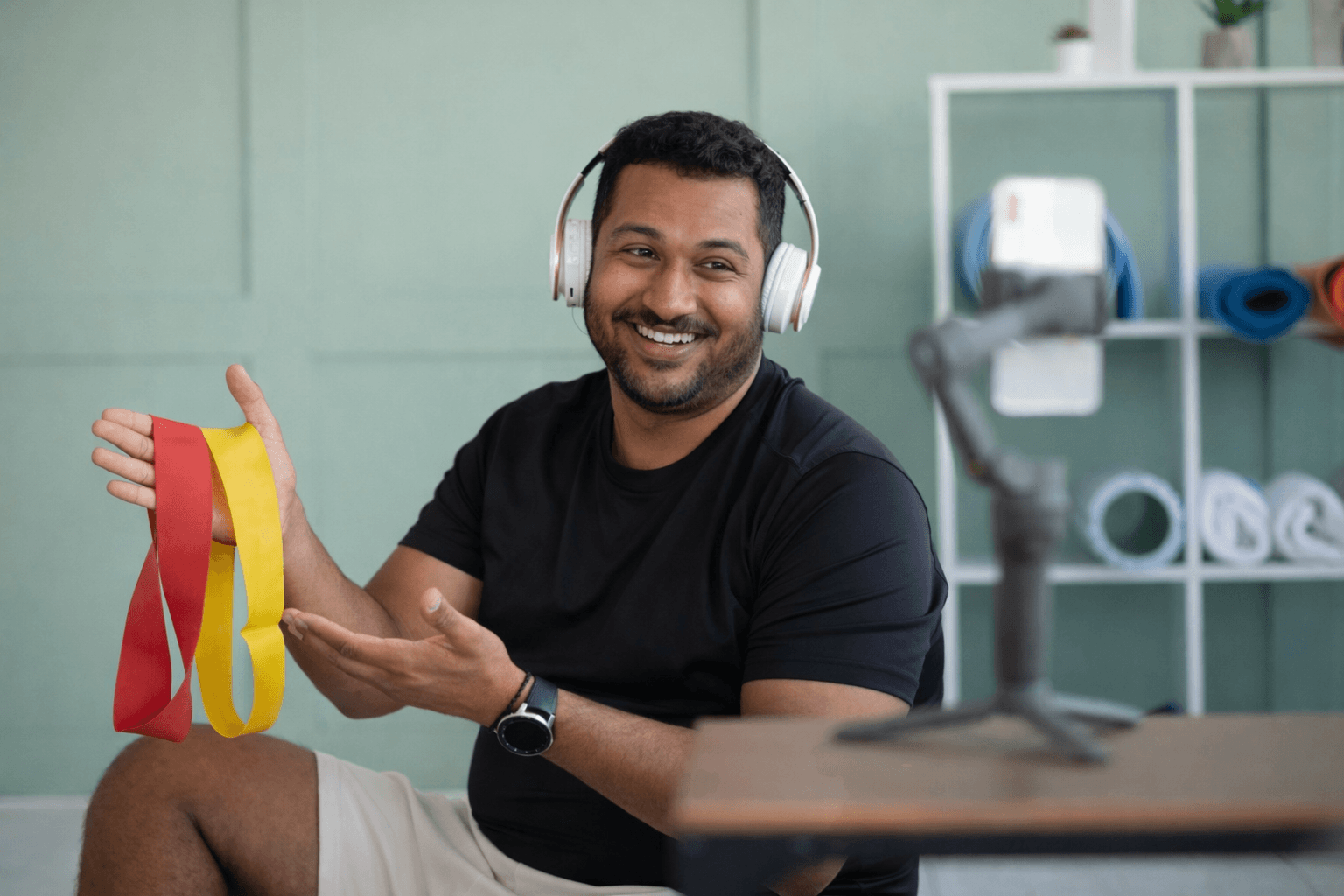 Find Your Perfect Coaching Program
What Makes a Fitness Trainer Near Me Europe Effective for Indians?
An effective fitness trainer near me Europe understands cultural food preferences, multi-country work patterns, and European lifestyle challenges. They provide personalized programs for tech workers in Dublin and Berlin, healthcare professionals in Norway and Sweden, students across Germany and Netherlands, and EU workers in Brussels. Additionally, they adapt training to cold European winters, expensive gym costs, and work-life balance culture across all 27 EU countries.
Key Elements:
- ✓ Programs for all EU countries from Ireland to Romania
- ✓ Nutrition using foods available at European supermarkets
- ✓ Cold weather and dark winter adaptations
- ✓ Solutions for expensive Western European gyms
- ✓ Student budget-friendly programs across Europe
- ✓ Tech worker solutions (Dublin, Berlin, Amsterdam, Stockholm)
- ✓ Healthcare shift work (Norway, Sweden, Germany, Ireland)
- ✓ EU time zone flexibility (UTC to UTC+2)
Why Indians and Malayalis Across Europe Struggle With Fitness
Finding a fitness trainer near me Europe who understands your challenges matters. Generic European fitness advice ignores cultural and lifestyle realities.
Here’s why fitness becomes difficult for Indians living across European countries.
Long, Dark European Winters
European winters are long and dark. Ireland, Germany, Netherlands, Belgium, and Scandinavia experience 4-6 months of cold weather.
In Stockholm, Oslo, and Helsinki, daylight lasts only 4-6 hours in December. This destroys motivation.
Additionally, cold weather discourages outdoor exercise. Therefore, indoor training solutions become essential.
Expensive Gym Memberships Across Western Europe
Gym memberships cost €50-100 monthly in Western Europe. Switzerland, Norway, and Ireland are most expensive.
Personal trainers charge €80-120 per session in Dublin, Zurich, Oslo, and Amsterdam. This becomes unaffordable quickly.
Online coaching provides better value. Daily support costs less than three in-person sessions monthly.
Multi-Country Career Mobility
EU Blue Card holders relocate frequently. Dublin to Berlin. Amsterdam to Stockholm. Brussels to Munich.
Traditional gym trainers don’t travel with you. Additionally, building new fitness routines after each move creates inconsistency.
An online fitness coach Europe follows you across countries. Consistency continues regardless of location.
Isolation and Loneliness
Living away from family in India creates isolation. Language barriers exist despite English proficiency.
Small Indian communities in places like Prague, Warsaw, Lisbon, and Copenhagen increase loneliness.
Stress eating becomes coping mechanism. Therefore, fitness coaching must address emotional eating patterns.
Work-Life Balance Culture
European work culture emphasizes balance. Shorter hours than US or Gulf countries. More vacation time.
However, this creates different challenges. Social expectations for evening activities. Weekend travel plans.
Fitness must integrate naturally. Not replace social life.
Common European Lifestyle Challenges
- • Long, dark winters (October-April across most of Europe)
- • Expensive gym memberships (€50-100/month in Western Europe)
- • Multi-country career mobility (frequent EU relocations)
- • Isolation from family support systems in India
- • Language barriers creating social isolation
- • Public transport lifestyle (lots of walking + sitting)
- • European social drinking culture
- • Expensive takeaway food across major cities
- • Student budget constraints
- • Healthcare shift work (nurses across EU)
Fitness Solutions for Indians Across Western Europe
Western Europe hosts the largest Indian and Malayali populations. Here’s how online coaching adapts to each country.
🇮🇪 Ireland (Dublin, Cork, Galway, Limerick)
Ireland has large tech industry in Dublin. Many Indians work Google, Facebook, Microsoft, and Amazon.
Additionally, healthcare sector employs many nurses across Dublin, Cork, and Galway. Shift work creates scheduling challenges.
Climate: Rainy year-round. Cold winters. Outdoor training difficult 8 months yearly.
Gym costs: €50-80 monthly. Personal trainers €80-100 per session.
Indian food access: Excellent in Dublin. Multiple Indian supermarkets. Tesco and Dunnes stock basics.
Solution: Home workouts eliminate rain concerns. Programs adapt to tech worker schedules and nursing shifts. A fitness trainer near me Ireland designs flexible systems.
🇩🇪 Germany (Berlin, Munich, Frankfurt, Hamburg, Cologne, Stuttgart)
Germany has massive Indian population. Engineers in automotive industry. Tech workers in Berlin startups. Healthcare professionals throughout.
Berlin attracts international crowd. Munich offers high salaries. Frankfurt has finance sector.
Climate: Cold winters. Moderate summers. Snow common December-February.
Gym costs: €30-60 monthly (more affordable than Ireland/Netherlands).
Indian food access: Excellent. Multiple Indian supermarkets in all major cities. REWE and EDEKA stock basics.
Solution: Programs adapt to German work culture (strict schedules, efficiency-focused). Engineering professionals need posture correction. Students need budget solutions.
🇳🇱 Netherlands (Amsterdam, Rotterdam, The Hague, Utrecht, Eindhoven)
Netherlands attracts international professionals. Tech sector strong. Logistics industry in Rotterdam.
Cycling culture dominates. However, rain and winter cold reduce bike activity.
Climate: Rainy. Windy. Cold winters. Cycling stops in heavy rain.
Gym costs: €40-70 monthly. Personal trainers €70-90 per session.
Indian food access: Excellent. Amazing Indo-Surinamese food scene. Albert Heijn stocks Indian basics.
Solution: Indoor alternatives for rainy days. Programs complement cycling lifestyle. Tech workers in Amsterdam need flexibility.
🇨🇭 Switzerland (Zurich, Geneva, Basel, Bern, Lausanne)
Switzerland has highly paid professionals. Banking in Zurich. Pharma in Basel. International organizations in Geneva.
Cost of living is highest in Europe. However, salaries compensate.
Climate: Alpine climate. Cold winters with snow. Beautiful but harsh.
Gym costs: CHF 80-150 monthly (€75-140). Most expensive in Europe.
Indian food access: Good in major cities. Coop and Migros stock limited selection.
Solution: Online coaching saves significant money versus Swiss personal trainers. Home workouts eliminate expensive gym fees.
🇫🇷 France (Paris, Lyon, Toulouse, Nice, Marseille)
France attracts students and professionals. Paris has tech sector. Lyon has pharma and biotech.
Language barrier exists more than other Western European countries. French work culture emphasizes long lunches.
Climate: Varied. Cold winters in north. Mediterranean south.
Gym costs: €40-70 monthly in Paris. Less in other cities.
Indian food access: Good in Paris. Limited in smaller cities. Carrefour stocks some basics.
Solution: Programs work around French meal culture. Students need budget solutions. English-language coaching eliminates communication barriers.
🇧🇪 Belgium (Brussels, Antwerp, Ghent, Bruges)
Brussels hosts EU institutions. Many Indians work EU jobs, NATO, and international organizations.
Additionally, healthcare sector employs nurses. Antwerp has logistics industry.
Climate: Similar to Netherlands. Rainy. Cold winters.
Gym costs: €40-65 monthly.
Indian food access: Excellent in Brussels. Carrefour and Delhaize stock basics.
Solution: EU workers need flexible schedules around meetings and travel. Multilingual environment creates cultural understanding.
🇱🇺 Luxembourg (Luxembourg City)
Luxembourg has highest GDP per capita in EU. Finance sector dominates. EU institutions present.
Small Indian community but growing. High salaries attract professionals.
Climate: Cold winters. Moderate summers.
Gym costs: €50-80 monthly.
Indian food access: Limited but available. Cora supermarket stocks some items.
Solution: Finance professionals work long hours. Programs must be time-efficient.
Ready to Work With a Fitness Trainer Near Me Europe?
Find coaching that works across all EU countries, adapts to European lifestyle, and respects your Indian culture.
Find Your Perfect ProgramFitness Solutions for Indians in Scandinavia
Scandinavian countries offer excellent quality of life but present unique fitness challenges. Dark winters. Expensive living. Healthcare shift work.
🇳🇴 Norway (Oslo, Bergen, Trondheim, Stavanger)
Norway has strong Indian community. Healthcare sector employs many nurses across Oslo, Bergen, and Trondheim.
Additionally, oil industry in Stavanger attracts engineers. IT sector growing in Oslo.
Climate: Extremely dark winters. Oslo gets 6 hours daylight in December. Northern regions even darker.
Gym costs: NOK 400-700 monthly (€35-65). Relatively affordable despite high cost of living.
Indian food access: Moderate. Oslo has Indian stores. Rema 1000, Kiwi, and Meny stock limited items. Expensive imports.
Solution: Programs address seasonal depression and vitamin D concerns. Healthcare shift workers need flexible scheduling. Indoor training mandatory during dark months.
🇸🇪 Sweden (Stockholm, Gothenburg, Malmö, Uppsala)
Sweden attracts tech workers and healthcare professionals. Stockholm has thriving startup scene. Malmö connects to Copenhagen.
Work-life balance culture strong. Fika (coffee break) tradition. Shorter work hours than Western Europe.
Climate: Dark winters like Norway. Stockholm barely gets sunlight December-January.
Gym costs: SEK 300-600 monthly (€27-55). Affordable.
Indian food access: Good in Stockholm. ICA and Coop stock basics. Multiple Indian stores.
Solution: Programs integrate with Swedish work culture. Tech workers need evening options. Seasonal depression awareness crucial.
🇩🇰 Denmark (Copenhagen, Aarhus, Odense)
Denmark has thriving Indian community. Tech sector strong. Pharma industry (Novo Nordisk) employs many.
Cycling culture extreme. Copenhagen infrastructure excellent. However, winter cycling challenging.
Climate: Dark winters. Cold and windy. Less extreme than Norway/Sweden.
Gym costs: DKK 300-500 monthly (€40-67).
Indian food access: Good in Copenhagen. Netto and Føtex stock basics. Indian stores present.
Solution: Programs complement cycling lifestyle. Indoor alternatives for winter. Tech and pharma workers need structured systems.
🇫🇮 Finland (Helsinki, Espoo, Tampere, Turku)
Finland has smaller but growing Indian community. Tech sector strong. Nokia legacy continues.
Sauna culture pervasive. Outdoor activities valued despite harsh winters.
Climate: Coldest Scandinavia. Extremely dark northern winters. Helsinki bearable.
Gym costs: €30-50 monthly. Most affordable Scandinavia.
Indian food access: Limited. Helsinki has few stores. K-Market and S-Market stock minimal selection.
Solution: Programs emphasize universal foods (eggs, chicken, rice). Indoor training essential. Seasonal depression support critical.
Scandinavian Winter Challenges
October-March: Limited daylight (4-6 hours in December)
Vitamin D deficiency: Common across all Scandinavian countries
Seasonal depression: Affects motivation and consistency
Solution: Indoor training programs, light therapy awareness, shorter winter sessions, maintenance focus during darkest months
Fitness Coaching Across Southern Europe
Southern Europe offers warmer climate but presents different challenges. Student populations. Language barriers. Economic considerations.
🇮🇹 Italy (Rome, Milan, Turin, Bologna, Florence, Naples)
Italy attracts many Indian students. Engineering programs in Milan and Turin. Fashion industry opportunities.
Additionally, growing tech sector in Milan. Tourism industry employs hospitality workers.
Climate: Mediterranean. Hot summers. Mild winters. Regional variation.
Gym costs: €30-50 monthly. Affordable compared to Northern Europe.
Indian food access: Moderate. Rome and Milan have Indian stores. Carrefour and Esselunga stock basics.
Solution: Student-focused programs. Budget-friendly options. English-language coaching eliminates language barriers.
🇪🇸 Spain (Madrid, Barcelona, Valencia, Seville, Bilbao)
Spain attracts students and young professionals. Barcelona has tech startups. Madrid offers business opportunities.
Late dining culture (9-10 PM). Siesta tradition fading but evening activity remains.
Climate: Hot summers (35-40°C). Mild winters except northern regions.
Gym costs: €25-45 monthly. Very affordable.
Indian food access: Good in Barcelona and Madrid. Mercadona and Carrefour stock basics.
Solution: Programs adapt to Spanish meal timing. Summer heat requires indoor training. Students need budget solutions.
🇵🇹 Portugal (Lisbon, Porto, Braga)
Portugal becoming popular destination. Growing tech scene in Lisbon. Lower cost of living than Western Europe.
Indian community smaller but growing. Digital nomads and remote workers arriving.
Climate: Mediterranean. Mild year-round. Hot summers.
Gym costs: €25-40 monthly. Affordable.
Indian food access: Limited but improving. Lisbon has few stores. Continente stocks basics.
Solution: Remote workers need flexible schedules. Beach access allows outdoor training most of year.
🇬🇷 Greece (Athens, Thessaloniki)
Greece has small Indian community. Students and some professionals. Tourism industry opportunities.
Climate: Mediterranean. Very hot summers. Mild winters.
Gym costs: €25-40 monthly.
Indian food access: Limited. Few stores in Athens.
Solution: Focus on universal foods. English-language coaching important.
🇨🇾 Cyprus (Nicosia, Limassol)
Cyprus attracts finance and tech workers. English widely spoken. Mediterranean lifestyle.
Climate: Hot year-round. Beach lifestyle.
Solution: Summer heat requires early morning or evening training. Beach workouts available.
🇲🇹 Malta (Valletta, Sliema)
Malta has small Indian community. Gaming industry and finance attract professionals.
Climate: Mediterranean. Warm year-round.
Solution: Compact island allows outdoor training most of year.
Central Europe Fitness Solutions
🇦🇹 Austria (Vienna, Salzburg, Graz, Innsbruck)
Austria attracts students and professionals. Vienna has international organizations. High quality of life.
Climate: Cold winters with snow. Moderate summers.
Gym costs: €35-60 monthly.
Indian food access: Good in Vienna. Spar and Billa stock basics. Multiple Indian stores.
Solution: Programs for students and professionals. Winter indoor training essential.
🇨🇿 Czech Republic (Prague, Brno, Ostrava)
Czech Republic attracts students. Prague popular for affordable education. Growing tech scene.
Climate: Cold winters. Warm summers.
Gym costs: €20-35 monthly. Very affordable.
Indian food access: Limited. Few stores in Prague. Tesco stocks basics.
Solution: Student budget-friendly programs. Focus on universal foods.
🇵🇱 Poland (Warsaw, Krakow, Wroclaw, Gdansk)
Poland has growing Indian community. Tech sector expanding. Students attracted to affordable education.
Climate: Cold winters. Warm summers.
Gym costs: €15-30 monthly. Most affordable EU.
Indian food access: Improving. Warsaw has Indian stores. Biedronka stocks basics.
Solution: Budget-friendly programs. Growing IT sector needs structured fitness.
🇭🇺 Hungary (Budapest)
Hungary attracts students. Budapest popular for affordable living. Medical schools attract Indian students.
Gym costs: €20-35 monthly.
Solution: Student-focused programs. Medical students need stress management.
🇸🇰 Slovakia (Bratislava)
Slovakia has small Indian community. Students and some professionals. Close to Vienna.
Solution: Affordable programs. Universal food focus.
🇸🇮 Slovenia (Ljubljana)
Slovenia has tiny Indian community. Beautiful country. Growing tourism.
Solution: Online coaching eliminates isolation. English-language support essential.
Eastern Europe Coverage
🇷🇴 Romania (Bucharest, Cluj-Napoca, Timisoara)
Romania has growing Indian community. Tech sector booming. Students attracted to medical schools.
Gym costs: €15-25 monthly. Very affordable.
Indian food access: Limited. Few stores in Bucharest.
Solution: Focus on universal foods. Student and tech worker programs.
🇧🇬 Bulgaria (Sofia, Plovdiv)
Bulgaria attracts students. Sofia has affordable living. Growing IT outsourcing sector.
Solution: Budget-friendly programs. Universal nutrition approach.
🇭🇷 Croatia (Zagreb, Split)
Croatia has small Indian community. Tourism industry. Beautiful coastline.
Solution: Mediterranean climate allows outdoor training. Tourism workers need flexible schedules.
Baltic States: 🇪🇪 Estonia, 🇱🇻 Latvia, 🇱🇹 Lithuania
Estonia (Tallinn), Latvia (Riga), Lithuania (Vilnius) have small but growing Indian communities.
Estonia has strong digital economy. Tallinn attracts tech workers.
Climate: Cold, dark winters. Short summers.
Gym costs: €20-35 monthly.
Solution: Indoor winter training. Tech worker programs. English-language support critical in smaller communities.
Pan-European Coverage Summary
Western Europe: Ireland, Germany, Netherlands, Switzerland, France, Belgium, Luxembourg
Scandinavia: Norway, Sweden, Denmark, Finland
Southern Europe: Italy, Spain, Portugal, Greece, Cyprus, Malta
Central Europe: Austria, Czech Republic, Poland, Hungary, Slovakia, Slovenia
Eastern Europe: Romania, Bulgaria, Croatia, Estonia, Latvia, Lithuania
One Coach, All of Europe
From Dublin to Bucharest, Berlin to Athens — sustainable fitness coaching that follows you across the EU.
Explore Coaching ProgramsFitness Solutions for Tech Workers Across Europe
Tech hubs across Europe employ thousands of Indians. Dublin, Berlin, Amsterdam, Stockholm, Paris, Munich — each city presents unique challenges.
However, sedentary work patterns remain constant everywhere.
Tech Hub Challenges
Dublin tech scene: Google, Facebook, Microsoft, Amazon. Long hours. Competitive environment. Expensive living.
Berlin startups: Fast-paced culture. Work-hard, play-hard mentality. Late nights common. Alternative lifestyle.
Amsterdam tech: International environment. Cycling culture. Work-life balance valued. Shorter hours than Dublin.
Stockholm startups: Innovative culture. Strong work-life balance. Dark winters challenge motivation.
Paris tech: Growing scene. French work culture. Language considerations. Long lunch tradition.
Combating Desk Job Syndrome
Sitting 10-12 hours creates postural issues. Forward head position. Rounded shoulders. Tight hip flexors. Weak glutes.
Programs include corrective exercises. Thoracic mobility work. Hip stretching protocols. Shoulder stability training.
These movements improve posture and reduce chronic pain. Additionally, they prevent long-term structural damage.
Managing Mental Fatigue
After coding all day, decision fatigue hits hard. Complex workout planning feels overwhelming.
Simple, structured programs work better. Three exercises per session. Clear targets. Minimal thinking required.
An online fitness coach Europe provides this structure. Follow the plan without mental exhaustion.
Remote Work Solutions
Many tech workers now remote. Home offices across Europe. Sedentary behavior increases without commute.
Use lunch breaks for 20-30 minute sessions. Quick resistance band workouts. Bodyweight circuits.
Small daily sessions compound into significant weekly training volume.
Tech Worker Example: Priya in Berlin
Priya works Berlin startup. Remote 3 days weekly. Long hours during product launches. Evening social scene active.
Trains Monday/Wednesday/Friday at 7 AM. Home dumbbell workouts. 35 minutes per session.
Result: 18 pounds lost in 20 weeks. Neck pain reduced. Energy improved despite demanding schedule.
Healthcare Workers Across Scandinavia and Europe
Thousands of Indian nurses work across Norway, Sweden, Germany, Ireland, and other EU countries. Shift work destroys routine.
Standard fitness advice ignores healthcare worker realities completely.
Shift Work Sleep Disruption
Rotating shifts between days, evenings, and nights. Sleep quality suffers dramatically.
Night shifts particularly brutal in Scandinavian winters. Daylight never seen during work weeks.
Sleep deprivation increases cortisol. This makes fat loss harder and hunger hormones irregular.
Physical Demands of Nursing
Lifting patients. Constant movement. Standing 12-hour shifts. Back pain develops commonly.
Programs must strengthen back and core. Not just burn calories for appearance.
Functional movements prevent workplace injuries. Deadlifts. Squats. Core stability exercises.
Emotional Stress and Eating
Healthcare work creates intense emotional stress. Patient suffering. Death. Family interactions.
Stress eating becomes coping mechanism. Additionally, shift work disrupts normal meal patterns completely.
Nutrition guidance addresses emotional eating. Not just calorie counting.
Country-Specific Healthcare Considerations
Norway healthcare: Excellent working conditions. Good pay. Dark winters affect everyone. Isolation from Indian community in smaller towns.
Sweden healthcare: Strong unions. Work-life balance valued. Still demanding shifts. Seasonal depression common.
Germany healthcare: Efficient systems. Language expectations. Large Indian communities in major cities provide support.
Ireland healthcare: Growing sector. Many opportunities. Good Indian community support in Dublin and Cork.
Shift Work Training Strategy
Day shifts: Train after work or before shift depending on energy
Night shifts: No training day of shift. Sleep prioritized. Light movement on days off.
Days off: Full training sessions when energy recovered
This flexible approach maintains fitness without forcing workouts during exhaustion.
Fitness Solutions for Indian Students Across Europe
Thousands of Indian students study across Germany, Netherlands, France, Italy, Austria, Ireland, and other EU countries.
Tight budgets. Academic pressure. Part-time work. Social adjustment. Fitness must fit these realities.
Budget-Friendly Fitness
Student budgets can’t accommodate €50-80 monthly gym fees. Personal trainers completely unaffordable.
Home workouts eliminate gym costs. Minimal equipment investment. Bodyweight training is free.
Online coaching costs fraction of in-person training. Therefore, becomes accessible option for students.
Balancing Study and Fitness
Exam periods create intense stress. Assignment deadlines compete for time. Lectures and part-time work fill schedules.
Short 20-30 minute sessions work during busy periods. Maintenance beats complete stoppage.
Moreover, exercise improves focus and stress management. Therefore, supports academic performance.
Shared Accommodation Challenges
Students often share apartments. Limited space. Roommates present. Privacy concerns.
Bodyweight programs require minimal space. Resistance bands fit anywhere. Parks provide free outdoor training.
University gyms often included in fees. However, programs should work without gym dependency.
Student Life Nutrition
Budget constraints limit food options. Cooking facilities vary by accommodation. Cafeteria food quality inconsistent.
Focus on affordable protein sources. Eggs. Chicken. Lentils. Rice. Budget supermarkets (Lidl, Aldi) across Europe.
Simple meal prep strategies save money and improve nutrition versus expensive takeaway.
Country-Specific Student Considerations
Germany students: Free/cheap education. Part-time work allowed. Large Indian student communities provide support.
Netherlands students: English programs common. Expensive accommodation. Cycling infrastructure excellent.
France students: Affordable education. Language barrier exists. Paris expensive, other cities affordable.
Italy students: Affordable education. Beautiful but challenging bureaucracy. Medical schools attract many Indians.
Ireland students: Post-study work visa attractive. Expensive living. Good student support systems.
Student Example: Rahul in Munich
Rahul studies engineering in Munich. Part-time work 20 hours weekly. Shares apartment with two roommates. Tight budget.
Trains 3x weekly using bodyweight exercises. No equipment purchased. Parks used in summer, home in winter.
Result: 20 pounds lost in 18 weeks on student budget. Stress management improved. Academic performance maintained.
Fitness for EU Institution Workers
Brussels, Luxembourg, and Strasbourg host EU institutions. Many Indians work European Commission, Parliament, Council, and agencies.
International environment. Frequent travel. Meeting schedules. Social expectations.
Brussels EU Worker Lifestyle
Meeting culture dominates. Long hours during plenary sessions. Travel between Brussels, Strasbourg, Luxembourg.
Social drinking culture. Networking events. Multicultural food scene creates temptation.
Fitness must integrate around these realities. Not replace professional obligations.
Travel and Consistency
Frequent travel disrupts routine. Hotels. Different cities. Irregular schedules.
Programs include hotel room workouts. Resistance bands. Bodyweight exercises. No equipment dependency.
An online fitness coach Europe provides continuity regardless of location.
Indian Food and Nutrition Across Europe
Food access varies dramatically across European countries. Here’s comprehensive guidance for all regions.
General European Supermarkets
Universal availability across Europe:
• Eggs (affordable everywhere, €2-4 per dozen)
• Chicken breast (€8-12 per kg across EU)
• Rice (basmati available everywhere, €2-4 per kg)
• Greek yogurt (high protein, €3-6 per kg)
• Vegetables (seasonal, €1-3 per kg)
• Lentils and beans (€2-4 per kg)
Country-Specific Food Access
🇮🇪 Ireland: Excellent access. Tesco, Dunnes Stores, SuperValu stock Indian basics. Multiple Indian supermarkets in Dublin.
🇩🇪 Germany: Excellent access. REWE, EDEKA, Kaufland stock basics. Many Indian stores in all major cities. Aldi and Lidl affordable.
🇳🇱 Netherlands: Excellent access. Albert Heijn, Jumbo stock basics. Amazing Surinamese-Indian food scene. Toko stores widespread.
🇨🇭 Switzerland: Good access but expensive. Coop and Migros stock limited selection. Indian stores in Zurich and Geneva.
🇫🇷 France: Good in Paris, limited elsewhere. Carrefour stocks basics. Indian stores in Paris suburbs.
🇧🇪 Belgium: Excellent in Brussels. Carrefour and Delhaize stock basics. Indian stores in Brussels.
🇳🇴 Norway: Moderate access, expensive. Rema 1000, Kiwi, Meny stock limited items. Indian stores in Oslo.
🇸🇪 Sweden: Good in Stockholm. ICA and Coop stock basics. Indian stores present.
🇩🇰 Denmark: Good in Copenhagen. Netto and Føtex stock basics. Indian stores available.
🇫🇮 Finland: Limited access. K-Market and S-Market minimal selection. Helsinki has few stores.
🇮🇹 Italy: Moderate in Rome/Milan, limited elsewhere. Carrefour and Esselunga stock basics.
🇪🇸 Spain: Good in Barcelona/Madrid. Mercadona and Carrefour stock basics.
🇵🇹 Portugal: Limited but improving. Continente stocks basics. Lisbon has few stores.
🇦🇹 Austria: Good in Vienna. Spar and Billa stock basics. Indian stores in Vienna.
🇨🇿 Czech Republic: Limited. Tesco stocks basics. Few stores in Prague.
🇵🇱 Poland: Improving. Biedronka stocks basics. Warsaw has Indian stores.
Eastern Europe (Romania, Bulgaria, Baltic states): Limited access. Focus on universal foods.
Universal Food Strategy
When Indian ingredients limited, build meals around universally available foods:
Breakfast options: Eggs scrambled/boiled, Greek yogurt with berries, oatmeal with protein powder
Lunch/Dinner: Grilled chicken with rice and vegetables, fish with potatoes and salad, lentil soup with bread
Snacks: Boiled eggs, Greek yogurt, fruits, nuts (if budget allows)
Protein powder: Available across Europe. Useful for budget-conscious students.
Building Traditional Meals When Possible
When Indian ingredients accessible:
Breakfast: Dosa with sambar (if ingredients available), otherwise idli or upma
Lunch: Rice with dal, vegetable curry, and curd
Dinner: Chapati with chicken curry or paneer, vegetable side
Portion control remains key. Not food elimination.
Budget Supermarket Chains Across Europe
Aldi & Lidl: Available across most EU countries. Very affordable. Limited Indian selection but excellent basics.
Netto: Scandinavia and Germany. Budget-friendly.
Biedronka: Poland’s largest. Very affordable.
Students particularly benefit from these budget chains. Protein sources remain affordable.
Training Through European Cold Weather and Dark Winters
European winters challenge fitness consistency. Cold temperatures. Limited daylight. Seasonal depression. Here’s how to maintain progress.
Indoor Training Priority
October through April requires indoor focus across most of Europe. Outdoor training becomes difficult or impossible.
Home workouts eliminate weather dependency. Dumbbells. Resistance bands. Bodyweight exercises work excellently.
Heated gyms provide alternative. However, programs should function without gym dependency.
Scandinavian Dark Winter Strategies
Oslo, Stockholm, Helsinki, and Copenhagen experience extreme darkness December-January. Only 4-6 hours daylight.
Seasonal depression affects motivation significantly. Therefore, programs adapt expectations.
Maintenance focus: Darkest months (November-January) emphasize consistency over progression.
Shorter sessions: 20-30 minutes beats skipping entirely.
Light therapy awareness: Vitamin D supplementation recommended. Light therapy boxes help.
Spring resurgence: March-May brings rapid motivation return. Progressive overload resumes.
Western Europe Winter Approaches
Ireland, UK, Netherlands, Belgium, France, Germany experience cold, rainy winters. Less extreme than Scandinavia but still challenging.
Rain creates biggest obstacle. Cycling stops. Walking reduces. Outdoor activities minimize.
Indoor programs essential. Year-round consistency becomes possible.
Seasonal Training Strategy
October-March (Winter): Indoor training mandatory. Shorter sessions acceptable. Maintenance focus during darkest months.
April-May (Spring): Motivation returns. Progressive overload resumes. Outdoor options return.
June-September (Summer): Full training intensity. Outdoor activities available. Beach workouts possible in Southern Europe.
Accepting seasonal variation prevents winter guilt. Consistency year-round beats summer-only intensity.
Fitness and Public Transport Lifestyle
European cities emphasize public transport. Walking. Cycling. Trains and metros.
This creates interesting fitness dynamics compared to car-dependent countries.
Incidental Activity Benefits
Walking to stations. Climbing stairs. Standing on trains. Cycling to work (Netherlands, Denmark, Germany).
This incidental activity accumulates. 5,000-10,000 daily steps common without dedicated exercise.
Therefore, baseline activity higher than car-dependent lifestyles. However, structured training still essential.
Long Commute Challenges
Dublin to surrounding areas: 60-90 minutes each way. Berlin outskirts similar. Paris suburbs brutal.
Long commutes create fatigue despite walking. Sitting on trains. Standing in crowded metros.
Home workouts eliminate additional travel time. Train immediately after arriving home.
Addressing Loneliness and Isolation
Living away from family in India creates profound isolation. Language barriers exist despite English proficiency.
Small Indian communities in places like Prague, Warsaw, Lisbon, and Helsinki amplify loneliness.
Emotional Eating Patterns
Stress eating becomes coping mechanism. Comfort foods provide temporary relief.
Additionally, winter darkness amplifies emotional challenges. Seasonal depression common across Europe.
Coaching addresses emotional eating. Not just calorie restriction. Understanding root causes matters.
Accountability Creates Connection
Daily WhatsApp check-ins provide consistent human connection. Someone cares about your progress.
Weekly reviews create routine touchpoints. Monthly calls allow deeper conversations.
This structure combats isolation while building sustainable fitness habits.
How Online Fitness Coaching Works Across Europe
From Lisbon to Helsinki, Dublin to Bucharest — online coaching delivers consistent results. Here’s the exact system.
Initial Assessment
Comprehensive assessment covers fitness history, current activity, goals, limitations, work schedule, and country-specific considerations.
Tech workers receive questions about desk setup. Healthcare workers discuss shift patterns. Students review budget constraints.
This information ensures proper program design from start.
Personalized Program Delivery
Programs arrive via app or email. Video demonstrations show proper form for each exercise.
Workouts adapt to available equipment. Home programs use dumbbells or bodyweight. Gym programs use full facilities.
Nutrition guidance uses foods available at local supermarkets. Country-specific adjustments included.
Daily WhatsApp Accountability
WhatsApp provides daily touchpoints across all EU time zones. Workout completion messages. Form check videos. Nutrition questions answered promptly.
This prevents “I’ll start Monday” cycle. Consistency improves dramatically.
Weekly Progress Reviews
Weekly check-ins include photos, measurements, performance metrics. Programs adjust based on results.
Strength increasing? Add weight. Energy dropping? Adjust volume. This responsive approach maintains steady progress.
Monthly Zoom Strategy Sessions
Monthly calls allow deeper discussions. Obstacles. Mindset challenges. Program refinement. Live form coaching when needed.
Time zones accommodate everyone from Lisbon (UTC) to Athens (UTC+2).
Real Client Transformations Across Europe
Priya — Healthcare Worker in Oslo, Norway
Priya works nursing in Oslo. Rotating shifts destroyed eating patterns. Dark winters killed motivation. Weight gained steadily after moving from India.
Through shift-adapted online coaching, she lost 22 pounds in 24 weeks. Training happened on rest days when energy recovered. Indoor workouts during dark months.
Key factors: Flexible scheduling, seasonal adaptation, understanding Norwegian work culture, WhatsApp accountability through dark winters.
Rahul — Tech Worker in Berlin, Germany
Rahul works startup in Berlin. Long hours during product launches. Active social scene. Gained 30 pounds in first year.
Home dumbbell workouts fit around unpredictable schedule. Trained 3x weekly at 7 AM. Simple nutrition using REWE and Lidl foods.
Results: 26 pounds lost in 20 weeks. Energy improved. Desk posture pain reduced. Consistency maintained through Berlin’s fast-paced lifestyle.
Anjali — Student in Amsterdam, Netherlands
Anjali studies in Amsterdam. Part-time work 20 hours weekly. Shared apartment. Tight student budget. Cycling culture but gained weight from cafeteria food.
Bodyweight training required no equipment purchase. Nutrition guidance using Albert Heijn budget options. Trained in shared living room.
Outcome: 18 pounds lost in 18 weeks on student budget. Academic performance improved. Stress management better.
Kumar — EU Worker in Brussels, Belgium
Kumar works European Commission. Frequent travel between Brussels, Luxembourg, Strasbourg. Meeting schedules unpredictable. Social networking events common.
Programs adapted to travel. Hotel room workouts. Resistance bands portable. Training continued across multiple EU cities seamlessly.
Result: 20 pounds lost in 20 weeks despite extensive travel. Consistency maintained across countries.
Deepa — Engineer in Munich, Germany
Deepa works automotive engineering. Structured German work culture. Efficient but demanding. Dark winters affected motivation significantly.
Winter maintenance focus prevented guilt. Spring training intensity increased. Year-round indoor programs maintained consistency.
Results: 24 pounds lost across one year. Sustainable habits formed. Winter seasonal challenges successfully navigated.
Online Coach vs European Gym Trainer Comparison
Transform Your Fitness Across Europe
Join Indians and Malayalis from Dublin to Athens, Berlin to Lisbon building sustainable fitness habits.
Find Your Perfect ProgramScience-Based Coaching Philosophy
Malayali Fit Coach builds programs on exercise science. Not fitness trends or Instagram aesthetics.
Eldo Abraham holds seven international certifications including ACSM Certified Personal Trainer. Programming follows research principles.
Progressive Overload
Muscles adapt to increasing stress. Programs gradually add weight, reps, or difficulty.
This systematic progression drives strength gains. Random workouts lack structure.
Energy Balance
Fat loss requires calorie deficit. However, extreme restriction backfires.
Moderate deficits preserve muscle mass and metabolic rate.
Recovery Integration
Training creates stimulus. Recovery allows adaptation.
Programs include deload weeks and rest days. These optimize long-term results.
Frequently Asked Questions
How does a fitness trainer near me Europe work across multiple countries?
Online coaching works seamlessly across all EU countries plus Norway and Switzerland. Programs adapt to local supermarkets, climate, work culture, and time zones. Whether you’re in Dublin or Athens, consistency continues. Relocating within Europe doesn’t disrupt progress.
Can I train during European winters when it’s dark and cold?
Absolutely. Programs emphasize indoor training October-April. Home workouts eliminate weather dependency. Scandinavian clients receive specialized dark winter strategies. Seasonal adaptation prevents winter guilt while maintaining year-round consistency.
How does online coaching help healthcare workers with shift work across Europe?
Programs adapt to rotating shifts common in Norwegian, Swedish, German, and Irish healthcare. Training schedules around rest days. Sleep prioritized over forced workouts after night shifts. Additionally, programs strengthen back and core to prevent workplace lifting injuries.
Can I lose weight eating traditional Indian food in Europe?
Yes. Success comes from portion control and protein balance, not elimination. Indian groceries available in major cities across Ireland, Germany, Netherlands, UK, Belgium, and Scandinavia. Where access limited, universal foods (eggs, chicken, rice, lentils) work excellently.
What makes Eldo Abraham different from European gym trainers?
Eldo combines 15+ years experience with seven international certifications. He specializes in Indians and Malayalis worldwide. His approach respects traditional food culture while delivering sustainable results. Programs adapt to European lifestyle challenges including dark winters, shift work, and multi-country careers.
Do I need expensive gym membership to work with an online coach?
No. Many clients train effectively at home. Dumbbells and resistance bands deliver excellent results. Bodyweight programs require zero equipment. Gym-based programs available if preferred, but not mandatory. Home training saves expensive European gym fees (€50-100/month).
How long until I see results across Europe?
Expect noticeable changes within 4-6 weeks of consistent training. However, significant body composition changes take 12-16 weeks minimum. Winter months may slow progress slightly due to seasonal depression. Sustainable transformations happen gradually.
Does coaching work across European time zones?
Yes. Programs accommodate UTC (Lisbon, Dublin) through UTC+2 (Athens, Helsinki). WhatsApp check-ins happen at your convenient times. Zoom calls schedule around your availability. Time zone differences minimal across Europe (1-2 hours maximum).
Can students afford online fitness coaching in Europe?
Yes. Online coaching costs significantly less than European gym trainers. Home workouts eliminate gym fees. Nutrition guidance uses affordable supermarket foods (Lidl, Aldi, budget chains). Payment plans available. Therefore, accessible on student budgets.
How does coaching help tech workers in Dublin, Berlin, Amsterdam?
Programs address desk job challenges: posture correction, mobility work, mental fatigue management. Simple structured workouts require minimal decision-making after mentally demanding work. Home training eliminates commute time. Flexible scheduling adapts to startup culture unpredictability.
What if I relocate between European countries frequently?
Online coaching follows you seamlessly. Programs adapt to new country’s supermarkets, climate, and work culture. Hotel workouts during transitions. No need to find new trainers after each move. EU Blue Card holders particularly benefit from this continuity.
How does coaching address Scandinavian dark winters?
November-January emphasize maintenance over progression. Shorter sessions acceptable. Vitamin D awareness included. Seasonal depression understood and accommodated. Spring brings motivation resurgence. This prevents winter guilt while maintaining year-round habits.
What certifications does Eldo Abraham hold?
Seven international certifications: ACSM Certified Personal Trainer (USA), REPS International Trainer (UAE & India), PD Approved Fitness Tutor (UK & India), Master Instructor, Certified Sports Nutritionist (India), NSQF Level 5 Personal Trainer (India), Certified CPR-AED Instructor (Australia).
Is online coaching effective for isolated locations like Eastern Europe?
Yes. Online coaching eliminates geographic isolation. Prague, Warsaw, Bucharest, Baltic states receive same quality service as Dublin or Berlin. English-language support crucial where Indian communities smaller. Universal food strategies work when Indian groceries unavailable.
How much does coaching cost compared to European gym trainers?
European gym trainers charge €70-120 per session for 2-3 weekly meetings (€560-1440/month). Online coaching provides daily support at €200-400/month. Additionally, no gym membership fee required. Therefore, significantly better value with more consistent accountability.
Can I train in shared student accommodation?
Absolutely. Bodyweight programs require minimal space. Resistance bands fit anywhere. Early morning or late evening training when roommates away. University gyms often included in fees. Parks provide free outdoor options in summer months.
How does coaching help with loneliness and isolation?
Daily WhatsApp check-ins provide consistent human connection. Someone cares about your progress. Addresses emotional eating patterns, not just calorie counting. Weekly reviews create routine touchpoints. Particularly valuable in smaller Indian communities across Eastern Europe or rural areas.
What if Indian food access is limited in my European city?
Focus shifts to universal foods available everywhere: eggs, chicken, rice, lentils, Greek yogurt, vegetables. Budget supermarkets (Lidl, Aldi) across Europe stock affordable protein. Nutrition adapts to what’s accessible locally. Success doesn’t require Indian groceries.
How does coaching adapt to different European work cultures?
German efficiency culture gets structured programs. French long lunch traditions accommodated. Scandinavian work-life balance integrated. Irish/UK longer hours considered. Brussels EU workers receive travel-friendly solutions. Each country’s work patterns respected.
Can I continue training if I travel frequently for work?
Yes. Programs include hotel workouts. Resistance bands portable across Europe. Training continues in Amsterdam, Brussels, Berlin, Paris, wherever work takes you. EU workers particularly benefit from this flexibility. Consistency maintained despite travel.
Do programs include nutrition plans or just workouts?
Comprehensive coaching includes both training and nutrition. Nutrition strategies adapt to local supermarkets across Europe. Calorie targets, protein recommendations, meal structure guidance. Additionally, addresses emotional eating and stress management. Country-specific food access considered.
What if I have injuries or physical limitations?
Programs adapt to injuries and limitations. Healthcare workers often develop back pain. IT professionals experience postural issues. Assessments identify restrictions. Exercises modify accordingly. Safety remains priority. Eldo’s CPR-AED certification ensures proper injury awareness.
How does coaching support work-life balance culture?
European culture values balance. Programs integrate naturally around social life, not replace it. Shorter European work hours allow evening training. Weekend travel accommodated. Fitness complements European lifestyle rather than dominating it.
Can I get coaching in languages other than English?
Coaching primarily delivered in English. However, understanding of Malayalam provides cultural connection. Hindi understood where relevant. English proficiency expected as working language. This eliminates barriers present with local European trainers requiring native language fluency.
How do I get started with Malayali Fit Coach in Europe?
Use the package finder to match your goals with right program. Assessment considers your European location, work type, schedule, and goals. Then complete detailed fitness assessment to begin personalized coaching across Europe.
Ready to Transform Your Fitness Across Europe?
Stop struggling with generic European fitness advice that ignores your culture, work patterns, and lifestyle.
Start building sustainable habits with coaching designed specifically for Indians and Malayalis across all European countries.
What You Get with Malayali Fit Coach
- ✓ Coverage across all 27 EU countries + Norway + Switzerland
- ✓ Personalized programs for home, gym, or travel
- ✓ European winter and dark season strategies
- ✓ Indian nutrition adapted to local supermarkets
- ✓ Shift work solutions (healthcare workers)
- ✓ Tech worker desk job corrections
- ✓ Student budget-friendly options
- ✓ Daily WhatsApp accountability (all time zones)
- ✓ Weekly progress tracking and adjustments
- ✓ Cultural understanding and isolation support
- ✓ Science-based coaching with 15+ years experience
Your Next Steps
From Dublin to Athens, Berlin to Lisbon, Oslo to Rome — sustainable fitness coaching that follows you across Europe, respects your culture, and adapts to your lifestyle is available now.
Join hundreds of Indians and Malayalis across Europe building sustainable fitness habits with Malayali Fit Coach.