
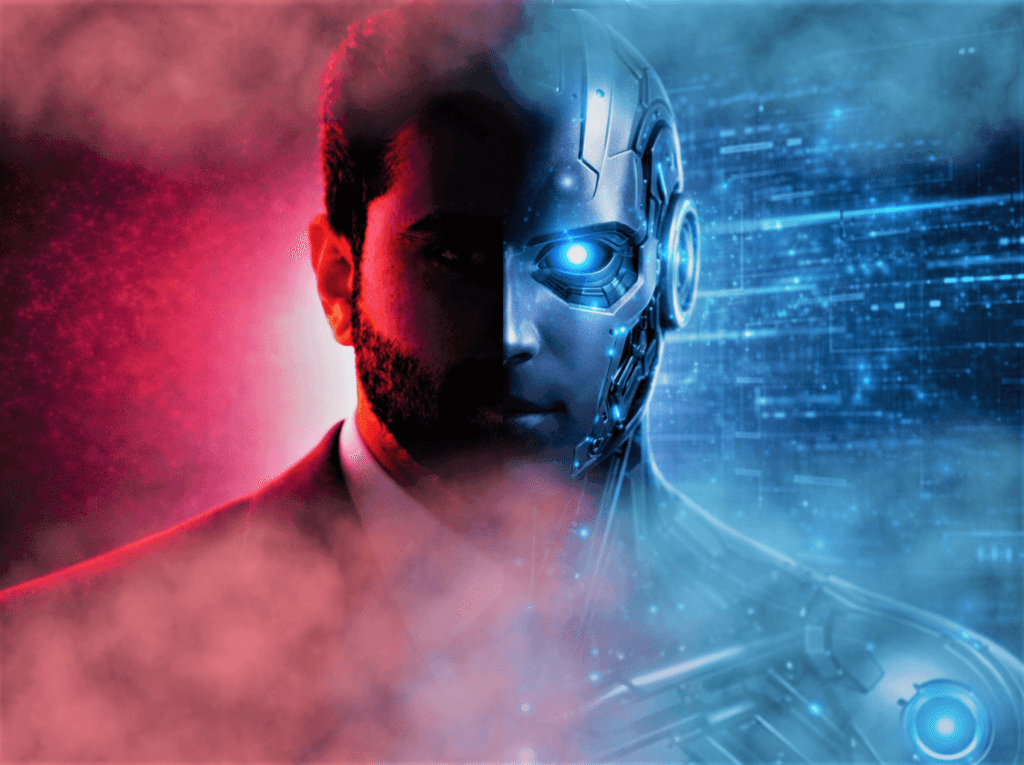
Can AI Replace Personal Trainers? The Truth in 2026
AI Workout Plans vs Human Coaching – What Actually Gets Results?
The debate between AI vs personal trainers is becoming more common as artificial intelligence enters the fitness industry. Tools powered by AI can generate workout plans, suggest diets, and track health data, leading many people to wonder whether technology can replace real fitness coaches.
Artificial intelligence has entered nearly every industry, including fitness. Today, tools powered by AI can generate workout routines, suggest diet plans, analyze sleep patterns, and even track exercise performance. Platforms like ChatGPT and Google Gemini can instantly produce customized workout suggestions based on a few prompts.
Because of this rapid development, many people are asking an important question:
Can AI replace personal trainers?
This question is especially relevant for Indians and Malayalis living abroad. Millions of people working in countries such as the United States, Canada, the United Kingdom, the UAE, Australia, and Europe rely on digital tools for fitness guidance due to busy work schedules, limited time, and distance from culturally familiar coaching.
However, the real answer is more nuanced.
Artificial intelligence can provide useful guidance, but fitness transformation involves far more than information alone. Exercise technique, motivation, lifestyle adjustments, and accountability require a human element that technology cannot fully replicate.
This article explores the real relationship between AI and personal trainers, examining what AI can do well, where it falls short, and how the future of fitness will likely combine both.
Definition: What Is an AI Fitness Coach?
An AI fitness coach is a digital system that uses artificial intelligence algorithms to generate workout plans, track health metrics, and provide fitness recommendations based on user inputs such as age, weight, activity level, and goals.
These systems typically use data from large training datasets and health research to suggest exercise routines, calorie targets, and lifestyle adjustments.
AI fitness tools can:
• Generate workout routines
• Suggest calorie intake
• Track physical activity
• Analyze sleep and recovery patterns
• Provide automated reminders
However, these systems do not physically observe users, which limits their ability to provide real-time corrections or personalized coaching.
The Rise of AI in the Fitness Industry
Over the last five years, artificial intelligence has become deeply integrated into fitness applications.
Many people now ask AI tools questions like:
• “Create a workout plan for fat loss.”
• “How many calories should I eat per day?”
• “What is the best workout plan for beginners?”
AI can instantly generate answers that once required consultation with a trainer or fitness professional.
Wearable devices also feed data into AI systems to track:
• heart rate
• step count
• sleep patterns
• calorie expenditure
These technologies have made health data more accessible than ever.
But accessibility does not automatically translate into effective coaching.
Question Block + Direct Answer
Can AI replace personal trainers?
Short answer:
No. AI can generate workout plans and provide general guidance, but it cannot replace the personalized coaching, accountability, and movement correction provided by a qualified personal trainer.
Explanation:
Fitness transformation requires ongoing adjustments based on progress, lifestyle, injuries, and psychological motivation. Artificial intelligence currently lacks the ability to observe movement patterns, understand emotional factors, and adapt programs dynamically the way a human coach can.
What AI Does Extremely Well in Fitness
Artificial intelligence provides several advantages that make it a valuable fitness tool.
1. Instant Access to Information
AI can instantly answer questions about training methods, nutrition, and recovery.
For beginners who do not know where to start, this information can be extremely useful.
2. Workout Plan Generation
AI can quickly generate a basic workout routine based on parameters such as:
• weight loss
• muscle building
• beginner training
• home workouts
This makes AI useful as a starting point for beginners.
3. Diet Suggestions
AI can estimate calorie requirements and suggest diet structures.
For example:
• calorie deficit for fat loss
• protein intake for muscle building
• meal timing suggestions
However, these suggestions are typically generic.
4. 24-Hour Availability
Unlike human trainers, AI tools are available anytime.
Users can ask questions late at night, during work breaks, or between gym sessions.
Question Block + Direct Answer
Can AI create a workout plan?
Short answer:
Yes, AI can generate a workout plan based on general fitness principles and user input.
Explanation:
AI systems rely on existing research and training databases to create structured programs. However, they do not account for individual biomechanics, injury history, or personal lifestyle factors that a human trainer evaluates.
Where AI Falls Short in Real Fitness Coaching
Despite its advantages, artificial intelligence has several limitations.
These limitations highlight why human coaching remains essential.
1. Movement Correction
One of the most critical aspects of training is exercise form.
Incorrect technique can lead to injuries.
Examples include:
• poor squat mechanics
• improper deadlift posture
• shoulder instability during pressing movements
AI cannot currently watch a person perform exercises and correct form in real time.
A trainer can instantly notice issues such as:
• knee collapse
• spinal alignment problems
• poor movement patterns
2. Injury Awareness
Many people have past injuries.
For example:
• knee pain
• back problems
• shoulder injuries
AI systems typically rely on user-reported information and cannot detect subtle warning signs during training.
A human coach can adjust programs immediately based on pain signals and physical observations.
3. Psychological Motivation
Consistency is the biggest challenge in fitness.
Most people fail not because they lack information, but because they lack accountability and motivation.
AI cannot provide the same psychological push as a real coach.
A trainer can say:
“Why did you miss your workouts this week?”
That accountability changes behavior.
4. Cultural Lifestyle Understanding
This is particularly important for Indians living abroad.
Many AI diet plans assume Western dietary patterns and may not fully understand cultural food habits such as:
• Kerala cuisine
• Indian meal timing
• family eating patterns
A trainer familiar with Indian lifestyles can design more realistic plans.
AI vs Personal Trainers: The Real Difference
| AI Fitness Tools | Personal Trainers |
|---|---|
| Instant information | Personalized coaching |
| Generic workout plans | Customized programming |
| No accountability | Real motivation |
| Data analysis | Human understanding |
| Automated suggestions | Injury prevention |
The difference ultimately lies in human judgment and adaptability.
The Future of Fitness: AI + Human Coaching
Instead of replacing trainers, artificial intelligence is more likely to enhance coaching.
The most effective model is:
AI-assisted personal training
In this approach:
AI helps with
• data analysis
• tracking progress
• generating insights
The coach provides
• personalized adjustments
• motivation
• accountability
• movement correction
Together they create a more efficient coaching system.
Question Block + Direct Answer
Are AI workout plans safe?
Short answer:
AI workout plans can be helpful but may not always be safe for individuals with injuries or medical conditions.
Explanation:
Because AI relies on generalized information, it may not account for specific physical limitations. Personalized coaching ensures that exercises are appropriate for the individual’s health and physical condition.
Why Indians Living Abroad Need Personalized Coaching
Indians and Malayalis living abroad face unique lifestyle challenges.
These include:
• long working hours
• sedentary desk jobs
• reduced daily movement
• cold climates in some countries
• changes in diet
These factors often lead to:
• weight gain
• reduced physical activity
• lower fitness levels
Working with a trainer who understands these challenges can significantly improve consistency and results.
for Global Audience
Fitness challenges vary depending on where people live.
Many clients come from the following regions:
🇮🇳 India – Urban sedentary lifestyle and long work hours
🇺🇸 USA – Fast-paced work culture and high processed food consumption
🇨🇦 Canada – Cold weather and reduced outdoor activity during winter
🇬🇧 UK – Busy professional schedules and limited daylight in winter
🇦🇪 UAE – Long work shifts and extreme heat limiting outdoor exercise
🇦🇺 Australia – Physically active culture but demanding work routines
🇮🇱 Israel – High work intensity and military-influenced training culture
🇩🇪 Germany – Structured lifestyle but desk-based jobs
🇮🇪 Ireland – Weather constraints affecting outdoor activity
🇯🇵 Japan – Long working hours and high stress
🇸🇪 Sweden – Seasonal daylight variations affecting activity levels
Understanding these lifestyle contexts helps create realistic fitness programs.
7 Common Fitness Challenges Indians Face After Moving Abroad
- Reduced daily physical activity
- Increased reliance on processed food
- Busy professional schedules
- Cold weather limiting outdoor exercise
- Stress and sleep disruption
- Lack of structured workout routines
- Difficulty maintaining traditional diets
These challenges highlight the need for structured guidance.
Best Workout Plan for Indians Living Abroad
A balanced workout plan typically includes:
• strength training 3–4 days per week
• cardiovascular exercise 2–3 days per week
• mobility and recovery sessions
Strength training is particularly important because it helps:
• increase metabolism
• build muscle mass
• improve long-term health
Consistency matters more than complexity.
Question Block + Direct Answer
Is online personal training effective?
Short answer:
Yes. Online personal training can be highly effective when structured properly and supported by regular communication with a qualified coach.
Explanation:
Online coaching allows trainers to design personalized programs, monitor progress, and provide guidance through video calls, messaging platforms, and training apps.
Why Hybrid Coaching Is the Future
The most effective fitness model combines:
technology + human expertise
Technology provides:
• data tracking
• automation
• convenience
Human coaching provides:
• experience
• judgment
• emotional support
Together they create a more powerful system.
About the Author
Eldo Abraham is a Malayali personal trainer and Kerala fitness coach who works with clients globally through online coaching programs.
His coaching approach focuses on helping Indians living abroad build sustainable fitness routines that fit their work schedules, cultural diet patterns, and lifestyle demands.
He works with clients across multiple regions including India, the United States, Canada, the United Kingdom, the UAE, Australia, and Europe.
His programs combine exercise science, structured training plans, and practical lifestyle strategies to help individuals achieve long-term fitness results.
Final Thoughts
Artificial intelligence is transforming many industries, including fitness. AI tools can provide valuable information, generate workout routines, and track health data.
However, real fitness transformation requires more than information.
It requires:
• accountability
• motivation
• proper technique
• personalized guidance
AI may assist trainers, but it cannot replace the human understanding and adaptability required for long-term fitness success.
The future of fitness will not be AI vs personal trainers.
Instead, it will be AI working alongside skilled coaches to deliver better results than either could achieve alone.