

Malayali Personal Trainer Australia: Your Complete Guide to Online Fitness Coaching for Indian Expats

Quick Answer: Can I Hire a Malayali Personal Trainer in Australia?
Yes, you can work with a certified Malayali personal trainer from anywhere in Australia through online coaching. Online fitness coaching removes location barriers, allowing clients in Sydney, Melbourne, Brisbane, Perth, Adelaide, and Darwin to access personalized training programs, nutrition guidance, and cultural fitness support. Trainers provide video consultations, customized workout plans, WhatsApp support, and progress tracking without requiring gym attendance.
Table of Contents
- Introduction
- What Is a Malayali Personal Trainer in Australia?
- Can You Hire a Personal Trainer Near You Online?
- Why Malayali Expats Prefer Malayalam-Speaking Coaches
- Fitness Challenges for Indians Living in Australia
- Kerala Diet Adapted for Australian Lifestyle
- Online Personal Trainer vs Gym Trainer
- Benefits of Hiring a Malayali Personal Trainer
- Real Client Transformation Stories
- Evidence-Based Fitness Strategies
- Common Fitness Mistakes to Avoid
- Frequently Asked Questions
- Get Started Today
Introduction: Finding the Right Fitness Support as a Malayali Expat
Living in Australia as a Malayali expat brings unique opportunities and challenges. Whether you’re a nurse working night shifts in Sydney, an IT professional with a desk job in Melbourne, or an international student in Brisbane, maintaining your health and fitness can feel overwhelming.
The sedentary lifestyle common among desk workers, combined with irregular meal schedules, stress from adapting to a new culture, and lack of time for gym visits, creates significant health challenges. Many Indian expats experience weight gain, reduced energy levels, and declining metabolic health.
Traditional personal training solutions don’t always address the cultural context. A Malayali personal trainer who understands Kerala food culture, Indian family dynamics, and the specific needs of the Indian diaspora in Australia offers something uniquely valuable.
What Is a Malayali Personal Trainer in Australia?
A Malayali personal trainer is a certified fitness professional who provides specialized coaching services for Malayalam-speaking clients and understands the cultural, dietary, and lifestyle needs of Indian expats living in Australia.
Meet Eldo Abraham: Certified Personal Trainer
What Makes Malayali Fit Coach Different?
Malayali Fit Coach is an online personal training platform designed specifically for Indian expats. The platform offers comprehensive services including:
- Online fitness coaching: One-on-one video consultations and personalized programming
- Personalized workout plans: Customized training based on your goals, schedule, and available equipment
- Nutrition coaching: Meal planning that incorporates Kerala foods and Indian dietary preferences
- Body transformation programs: Structured protocols for fat loss, muscle building, and body recomposition
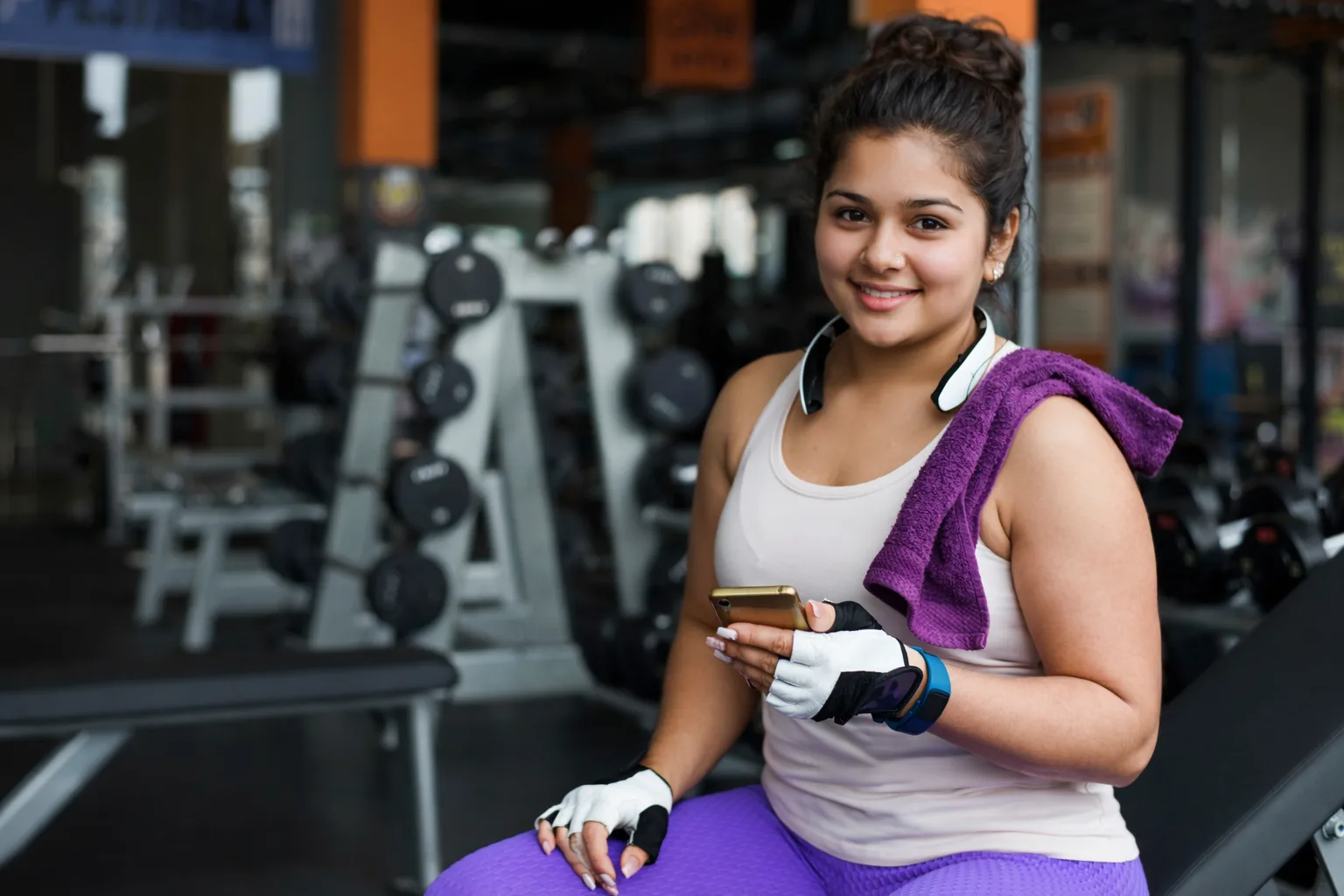
Can You Hire a Personal Trainer Near You Online?
One of the most common searches is “personal trainer near me Australia” or “fitness trainer near me.” While location-based searches suggest proximity is important, online coaching has revolutionized how personal training works.
How Online Coaching Removes Location Barriers
Online coaching means you can train anywhere in Australia. Whether you’re in New South Wales, Victoria, Queensland, or Western Australia, your trainer can guide you through structured workout plans, provide real-time feedback via video calls, and monitor your progress through regular check-ins.
Clients no longer need to search for “gym trainer near me Australia” because the best trainer for your needs might not be in your suburb. Online personal training provides:
- Video consultations: Face-to-face coaching from anywhere with internet access
- WhatsApp support: Daily communication for questions, form checks, and motivation
- Structured workout plans: Detailed programs delivered digitally with exercise demonstrations
- Progress tracking: Regular assessments, measurements, and program adjustments
- Flexible scheduling: Training sessions that fit night shifts, irregular work hours, and family commitments
Geographic Flexibility Across Australian Cities
Indian communities are concentrated in major Australian cities, but online coaching serves clients regardless of location:
| City/State | Online Coaching Benefits |
|---|---|
| Sydney, NSW | Train before or after long commutes without gym travel time |
| Melbourne, VIC | Flexible scheduling around unpredictable weather and work demands |
| Brisbane, QLD | Access expert coaching without limited local Malayalam-speaking trainers |
| Perth, WA | Train during early morning or late evening when gyms are less convenient |
| Adelaide, SA | Receive specialized Indian diet guidance unavailable from local trainers |
| Darwin, NT | Connect with fitness expertise regardless of remote location |
Why Malayali Expats Prefer Malayalam-Speaking Coaches
Language and cultural understanding create deeper coaching relationships. While English proficiency is common among Indian expats, discussing health, food habits, emotional eating, and family dynamics feels more natural in your mother tongue.
Cultural Understanding of Indian Lifestyle
Malayalam-speaking coaches understand the nuances of Indian expat life that generic trainers might miss:
Cultural Context Matters
- Food culture: Understanding that rice meals, sambar, fish curry, and puttu are staples, not occasional treats
- Family dynamics: Recognizing that cooking for family and social gatherings impact meal planning
- Work patterns: Adapting to night shift work common among nurses and healthcare workers
- Social expectations: Balancing fitness goals with cultural events and family obligations
- Mental wellbeing: Addressing stress from living away from home and cultural adaptation challenges
Understanding Unique Fitness Challenges
Malayali trainers recognize challenges specific to the Indian diaspora:
- Transitioning from active lifestyles in Kerala to sedentary office work
- Navigating Australian food culture while maintaining traditional eating patterns
- Managing shift work fatigue and its impact on exercise recovery
- Balancing limited time between work, family, and fitness
- Overcoming gym intimidation and building fitness confidence
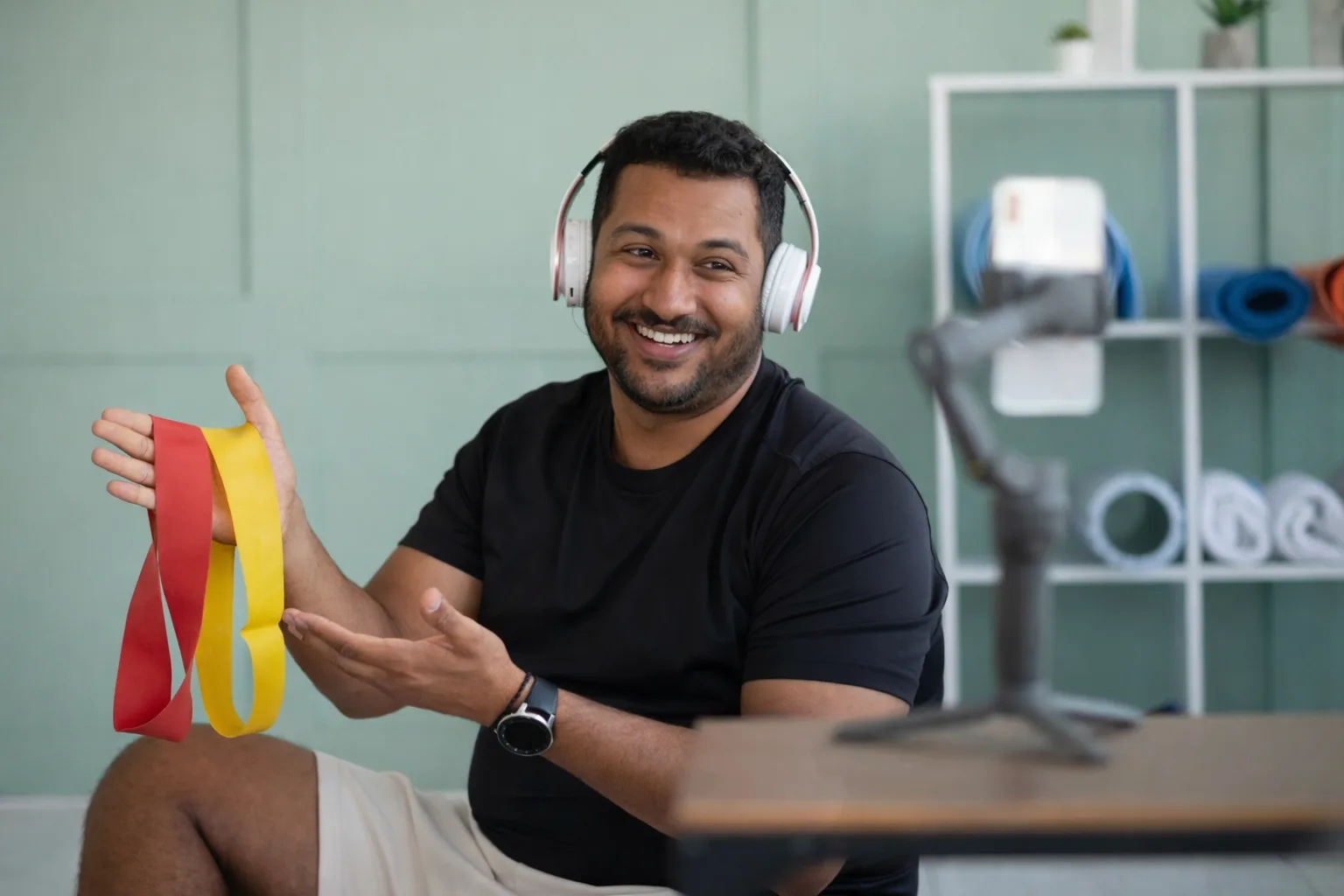
Fitness Challenges for Indians Living in Australia
Understanding the specific obstacles Indian expats face is crucial for developing effective fitness strategies.
Common Health Challenges for Indian Expats
Sedentary Desk Jobs
Many Indian professionals work in IT, accounting, and office roles. Sitting for 8-10 hours daily reduces cardiovascular fitness, increases desk job health risks, and contributes to weight gain and metabolic issues.
Irregular Meal Schedules
Nurses working night shifts and professionals with demanding schedules often skip meals or eat at irregular times. This disrupts metabolic conditioning and makes portion control difficult.
Stress and Mental Health
Adapting to a new country creates stress that impacts sleep quality, fitness motivation, and emotional eating patterns. Stress management becomes essential for sustainable results.
Limited Time for Gym
Between work commitments, family responsibilities, and long commutes, finding time for gym visits becomes impossible. Online training removes this barrier entirely.
Specific Challenges for Different Professional Groups
Healthcare workers (nurses, doctors): Night shift lifestyle disrupts circadian rhythms, impacting sleep quality, exercise recovery, and hormone regulation. Training programs must account for rotating schedules.
IT professionals and office workers: Prolonged sitting creates posture issues, reduced mobility, and lower back pain. Training must include functional training and mobility work alongside strength training.
International students: Budget constraints, limited cooking facilities, and academic stress make maintaining healthy habits challenging. Programming must be flexible and equipment-minimal.
Busy professionals: High-pressure roles leave minimal time for fitness. Efficient workout programs using bodyweight exercises and minimal equipment become essential.
Kerala Diet Adapted for Australian Lifestyle
One of the biggest advantages of working with a Malayali fitness coach is culturally appropriate nutrition guidance. Traditional Kerala foods can absolutely support fat loss, muscle building, and metabolic health when incorporated strategically.
Traditional Kerala Foods in Your Fitness Plan
Contrary to popular belief, you don’t need to abandon Kerala cuisine to achieve fitness goals. Understanding macronutrients (protein, carbohydrates, fats) and creating a calorie deficit for fat loss or surplus for muscle hypertrophy works with any food culture.
Kerala Foods That Support Fitness Goals
- Puttu: Steamed rice flour provides sustained energy. Pair with kadala curry for protein intake.
- Fish curry: Excellent protein source supporting muscle building and recovery. Kerala fish preparations are nutrient-dense.
- Vegetable thoran: Low-calorie, high-fiber vegetables perfect for fat loss while maintaining satiety.
- Sambar: Lentil-based protein with vegetables, providing micronutrients and supporting calorie deficit goals.
- Dosa: Fermented rice and lentil crepes offer protein and carbohydrates for energy.
- Rice meals: While calorie-dense, controlled portions fit any nutrition plan. Balance with protein and vegetables.
Practical Nutrition Strategies
Effective nutrition coaching for Indian expats focuses on:
- Portion control: Understanding appropriate serving sizes for rice meals and curries
- Protein prioritization: Ensuring adequate protein intake from fish, chicken, eggs, lentils, and dairy
- Calorie awareness: Teaching sustainable calorie deficit strategies without restrictive diets
- Hydration: Addressing water intake often overlooked in busy schedules
- Meal planning: Preparing Kerala meals in advance for busy work weeks
- Flexible nutrition: Balancing traditional foods with Australian ingredients available locally
Sample Meal Structure for Fat Loss
| Meal | Example Options | Nutrition Focus |
|---|---|---|
| Breakfast | Puttu with kadala curry, or eggs with dosa | High protein, moderate carbs |
| Lunch | Controlled rice portion with fish curry and thoran | Balanced macronutrients, high protein |
| Snack | Greek yogurt, nuts, or fruit | Maintain energy, prevent overeating |
| Dinner | Grilled chicken or fish with vegetable sides, lighter carbs | High protein, lower carbs evening |
Online Personal Trainer vs Gym Trainer: What’s Right for You?
When comparing “online personal trainer vs gym trainer,” understanding the advantages of each model helps you make informed decisions.
Comprehensive Comparison
| Factor | Online Personal Trainer | Traditional Gym Trainer |
|---|---|---|
| Location Flexibility | Train anywhere: home, park, or gym | Must travel to specific gym location |
| Scheduling | Flexible around night shifts and irregular hours | Limited to gym operating hours |
| Cost | Generally more affordable, no gym membership required | Higher hourly rates plus gym membership fees |
| Cultural Understanding | Access to specialized trainers like Malayali coaches | Limited to trainers available locally |
| Nutrition Guidance | Cultural meal planning with Kerala foods | Generic nutrition advice |
| Accountability | Daily WhatsApp check-ins and digital tracking | Limited to scheduled sessions |
| Equipment Needs | Customized for available equipment | Requires gym equipment access |
| Travel Time | Zero commute time | 30-60 minutes travel each session |
Who Benefits Most from Online Training?
Online personal training is ideal for:
- Professionals with irregular schedules or night shifts
- Parents balancing family and career responsibilities
- People preferring privacy over gym environments
- Those seeking cultural and linguistic compatibility
- Individuals living in areas with limited Malayalam-speaking trainers
- Budget-conscious clients wanting premium coaching without gym fees
- Anyone valuing convenience and time efficiency
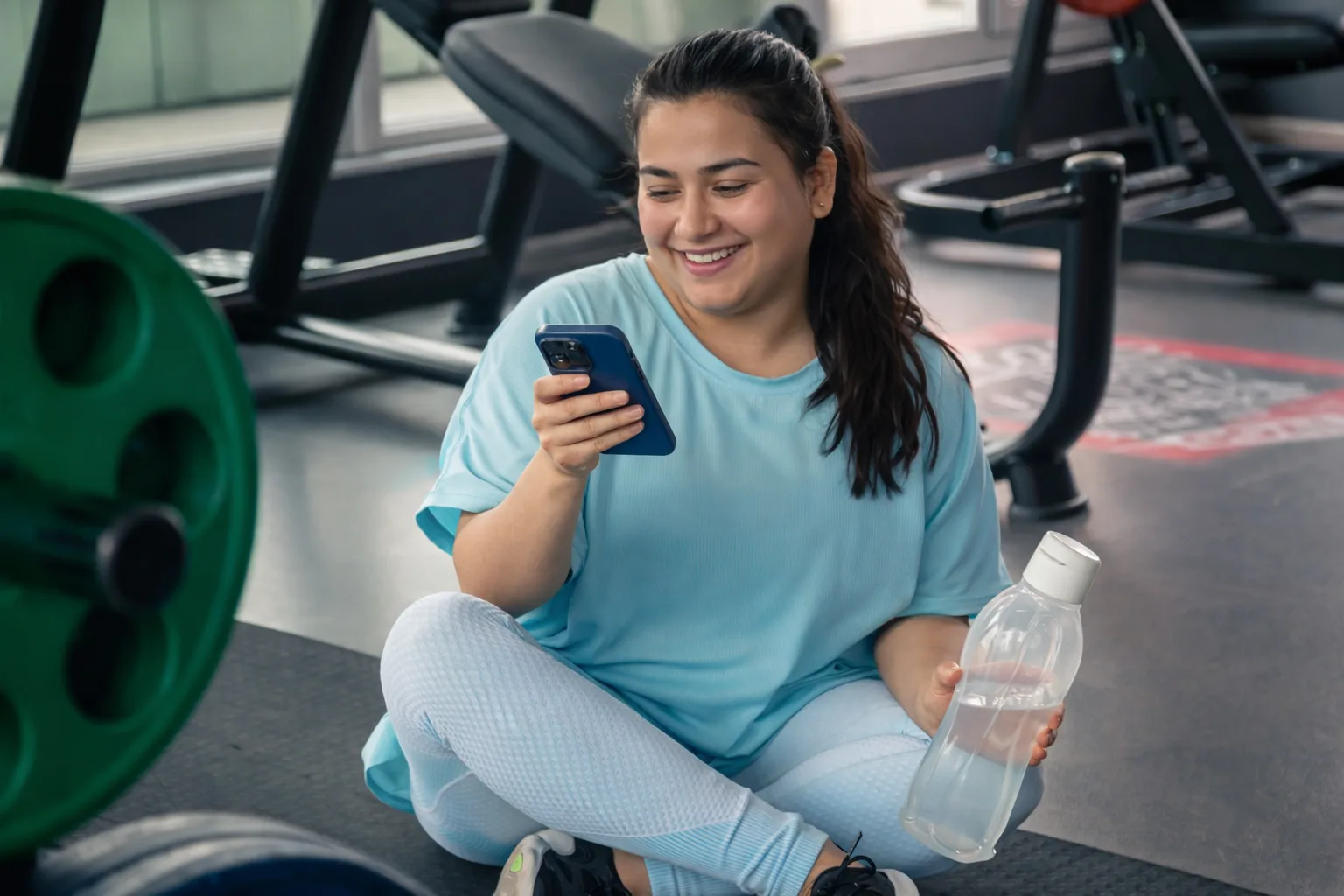
Benefits of Hiring a Malayali Personal Trainer
Working with a certified personal trainer who understands your cultural background provides distinct advantages beyond generic fitness coaching.
1. Personalized Workout Plans for Your Goals
Every client receives customized programming based on specific goals, whether that’s fat loss, strength training, muscle building, or body recomposition. Programs incorporate:
- Progressive overload: Systematic strength increases for continuous improvement
- Exercise variety: Squats, deadlifts, push-ups, pull-ups, lunges, and other fundamental movements
- Equipment flexibility: Programs using bodyweight exercises, dumbbells, kettlebells, or gym equipment based on availability
- Training splits: Organized routines fitting your weekly schedule
2. Expert Guidance on Strength Training and Resistance Training
Proper strength training transforms body composition more effectively than cardio alone. Coaches teach proper form for compound movements like bench press, shoulder press, and rowing exercises, preventing injury while maximizing results.
Resistance training builds lean muscle mass, increases metabolic rate, improves bone density, and enhances functional strength for daily activities.
3. Functional Training and Mobility Work
Beyond aesthetics, functional training improves movement quality for everyday life. Programs include:
- Mobility training: Addressing desk job stiffness and improving range of motion
- Injury prevention: Strengthening vulnerable areas and correcting imbalances
- Core stability: Planks and anti-rotation exercises for lower back health
- Exercise recovery: Proper rest protocols and active recovery strategies
4. Metabolic Health Improvement
Training programs focus on metabolic conditioning and cardiovascular fitness through varied approaches:
- Treadmill workouts for heart health
- Kettlebell swings for power and conditioning
- Circuit training combining strength and cardio
- Walking protocols for active recovery and fat loss
5. Habit-Based Coaching for Long-Term Success
Sustainable transformations come from habit formation, not motivation. Coaches help build:
Essential Fitness Habits
- Consistent training schedule regardless of motivation levels
- Meal preparation routines for busy weeks
- Sleep quality optimization for recovery and stress management
- Work-life balance strategies preventing burnout
- Stress management techniques supporting mental wellbeing
- Long-term sustainability over quick fixes
6. Accountability and Support System
Regular check-ins, progress tracking, and continuous communication maintain fitness motivation when challenges arise. Having a coach who understands your cultural context makes staying accountable easier.
Real Client Transformation Stories
Understanding how online coaching works in practice helps visualize your own potential journey.
Case Study 1: Nurse in Sydney Overcomes Night Shift Challenges
Background: Priya, a 32-year-old nurse working rotating night shifts in Sydney, struggled with weight gain, fatigue, and irregular eating patterns.
Challenges:
- Disrupted sleep patterns affecting exercise recovery
- No time for gym visits with unpredictable schedule
- Stress eating during night shifts
- Low energy and declining fitness motivation
Solution: Customized training program with bodyweight exercises and dumbbell workouts performed at home. Nutrition coaching focused on meal prep strategies for shift work and managing calorie deficit without restrictive dieting.
Results: 12kg fat loss over 6 months, improved sleep quality, increased energy levels, and sustainable habits fitting her lifestyle.
Case Study 2: IT Professional Builds Strength While Managing Desk Job
Background: Raj, a 28-year-old software developer in Melbourne, wanted to build muscle and combat sedentary lifestyle effects.
Challenges:
- Sitting 10+ hours daily with poor posture
- Limited knowledge of proper strength training
- Gym intimidation and lack of confidence
- Struggled with protein intake and meal planning
Solution: Progressive resistance training program starting with fundamental movements. Mobility work addressing desk posture. Nutrition coaching increasing protein intake with Kerala foods like fish curry and eggs.
Results: Gained 8kg lean muscle over 8 months, improved posture, eliminated back pain, and developed confidence in strength training techniques.
Case Study 3: International Student Achieves Body Recomposition on Budget
Background: Aisha, a 24-year-old student in Brisbane, wanted fat loss and better fitness on a student budget.
Challenges:
- Limited budget for gym membership and equipment
- Basic cooking facilities in shared accommodation
- Stress from academic demands
- No prior fitness experience
Solution: Bodyweight training program requiring zero equipment. Simple meal plans using affordable ingredients available in Australian supermarkets. Stress management and sleep quality guidance.
Results: Achieved body recomposition (fat loss and muscle gain simultaneously), improved academic performance through better stress management, and built sustainable fitness habits for life.
Evidence-Based Fitness Strategies That Work
Effective online personal training combines scientific principles with practical application.
Progressive Overload for Continuous Results
Progressive overload is the foundation of strength gains and muscle growth. This means systematically increasing training stimulus through:
- Adding weight to exercises over time
- Increasing repetitions with the same weight
- Improving exercise form and range of motion
- Reducing rest periods between sets
- Increasing training volume weekly
Compound Movements for Efficiency
Multi-joint exercises deliver maximum results with minimal time investment:
Essential Compound Exercises
- Squats: Build leg strength, improve mobility, burn maximum calories
- Deadlifts: Total-body strength, posterior chain development, functional fitness
- Push-ups: Upper body pushing strength, core stability
- Pull-ups: Back development, grip strength, upper body pulling
- Lunges: Unilateral leg strength, balance, functional movement
Strategic Cardio for Fat Loss
While strength training builds muscle, strategic cardio enhances cardiovascular fitness and supports calorie deficit:
- Walking: Low-impact, sustainable, fits busy schedules
- Treadmill intervals: Time-efficient fat burning
- Rowing machine: Full-body cardio without joint stress
- Metabolic finishers: Short, intense circuits ending workouts
Periodization for Long-Term Progress
Training programs cycle through different phases preventing plateaus:
| Phase | Focus | Duration |
|---|---|---|
| Foundation | Movement quality, habit formation, base fitness | 4-6 weeks |
| Hypertrophy | Muscle building, volume training, body composition | 6-8 weeks |
| Strength | Maximum strength, heavy compound lifts, power | 4-6 weeks |
| Conditioning | Fat loss emphasis, metabolic training, endurance | 4-6 weeks |
| Deload | Recovery, injury prevention, reduced volume | 1 week |
Recovery and Injury Prevention
Sustainable progress requires prioritizing exercise recovery:
- Sleep optimization: 7-9 hours nightly for hormone regulation and muscle repair
- Nutrition timing: Adequate protein intake supporting recovery
- Mobility work: Stretching and foam rolling preventing injuries
- Rest days: Programmed recovery allowing adaptation
- Stress management: Managing cortisol levels affecting recovery
Common Fitness Mistakes to Avoid
Understanding pitfalls helps you achieve faster, more sustainable results.
1. Extreme Calorie Restriction
Mistake: Drastically cutting calories to lose weight quickly.
Problem: Slows metabolism, causes muscle loss, triggers hunger, and is unsustainable.
Solution: Moderate calorie deficit (300-500 calories below maintenance) preserves muscle while losing fat steadily.
2. Cardio-Only Approach
Mistake: Focusing exclusively on treadmill or running for fat loss.
Problem: Neglects muscle building, reduces metabolic rate, and creates “skinny fat” physique.
Solution: Prioritize resistance training with strategic cardio for optimal body recomposition.
3. Neglecting Protein Intake
Mistake: Not tracking or prioritizing protein intake.
Problem: Insufficient protein causes muscle loss during fat loss and limits muscle growth.
Solution: Consume 1.6-2.2g protein per kg bodyweight daily from fish, chicken, eggs, lentils, and dairy.
4. Inconsistent Training
Mistake: Training sporadically based on motivation.
Problem: Progress requires consistent stimulus. Random workouts produce random results.
Solution: Follow structured programs with scheduled training days regardless of motivation.
5. Ignoring Sleep and Recovery
Mistake: Prioritizing training volume over sleep quality and recovery.
Problem: Inadequate recovery impairs performance, increases injury risk, and prevents muscle growth.
Solution: Treat sleep as equally important as training. Manage shift work impact on circadian rhythms.
6. Poor Exercise Form
Mistake: Lifting heavy weights with improper technique.
Problem: Increases injury risk and reduces training effectiveness.
Solution: Online trainers provide video form checks ensuring safe, effective movement patterns.
7. All-or-Nothing Mindset
Mistake: Believing one missed workout or imperfect meal ruins progress.
Problem: Creates guilt, reduces adherence, and prevents long-term sustainability.
Solution: Focus on consistency over perfection. Progress comes from habits, not individual days.
Frequently Asked Questions
Start Your Fitness Journey Today
Ready to transform your health with a Malayali personal trainer who understands your culture, diet, and lifestyle?
Whether you’re in Sydney, Melbourne, Brisbane, Perth, Adelaide, or anywhere in Australia, online coaching brings expert fitness guidance directly to you.
Find the Right Fitness ProgramNo gym required. No travel time. Just results.
Final Thoughts: Your Path to Sustainable Fitness
Finding the right personal trainer near me Australia no longer requires proximity. Online personal training removes geographic barriers, giving you access to specialized coaches who understand your unique needs as a Malayali expat.
Whether you’re battling the effects of a sedentary desk job, managing night shift fatigue, or simply wanting to incorporate Kerala foods into a sustainable fitness plan, working with a culturally competent trainer makes all the difference.
The best time to start was yesterday. The second best time is today. Your health, energy, and confidence are waiting on the other side of taking that first step.
Remember: Sustainable transformation comes from consistency, not perfection. Build habits, trust the process, and celebrate progress along the way.