The Hidden Reason Desk Workers Keep Getting Back Pain (And How to Fix It)

DESK WORKERS: THE REAL FIX

11 Evidence-Backed, Home-Friendly Movements to Fix Back Pain, Posture & Energy

If you work a desk job and sit for 8–10 hours a day, back pain is not bad luck — it is a predictable physical response.

Every month, desk workers search for:
back pain from sitting all day
exercises for desk job back pain
posture correction exercises at home
how to fix lower back pain naturally
The problem is not your chair, mattress, or lack of massage.

The real problem is prolonged sitting without corrective movement.

Long hours of sitting compress spinal discs, tighten hip flexors, weaken glutes, and shut down postural muscles. Over time, this leads to:
Chronic lower back pain
Neck and shoulder stiffness
Poor posture
Low energy and frequent strain injuries

Scientific reviews consistently show that targeted exercise and movement reduce pain and improve function in people with desk-related back pain — often more effectively than passive treatments.
The solution is not extreme workouts or expensive equipment.
It is simple, repeatable, home-based movement done consistently.

WHY THIS ROUTINE WORKS (EVIDENCE + PRACTICALITY)

This routine is designed specifically for:
Desk workers
IT professionals
Engineers
Nurses
Remote employees
Office-based professionals

Core principles:

Restore spinal mobility
Rebuild glute and back strength
Improve posture and daily energy
Fit into 15–30 minutes, 2–4× per week

The 11 movements below are evidence-supported, clinically practical, and beginner-safe, while still scalable for long-term progress.

Struggling with desk-related back pain or poor posture?

We help desk workers fix pain, improve posture, and regain energy through personalized online coaching — without gym dependency or extreme workouts.

THE 11 ESSENTIAL MOVEMENTS

(Purpose • Step-by-Step • Mistakes • Progressions • Programming)

1) Dead Hangs — Spinal Decompression & Shoulder Relief
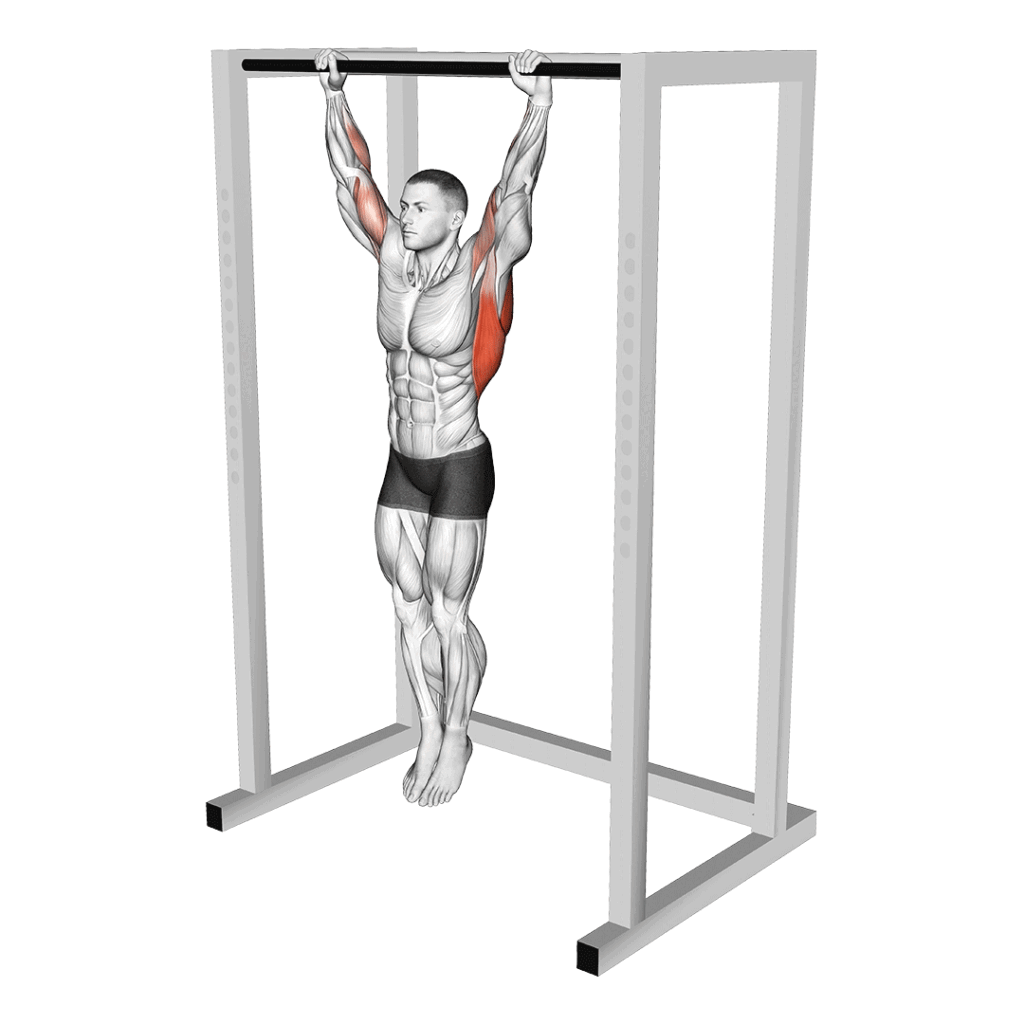
Purpose

Relieves spinal compression, reduces neck/shoulder tension, improves posture and grip strength.

How to Do It

  1. Grip a pull-up bar or sturdy overhead support
  2. Lift feet off the ground
  3. Relax shoulders downward
  4. Breathe slowly
  5. Hold 20–60 seconds

Common Mistakes

  • Shrugging shoulders
  • Holding breath
  • Swinging

Progressions

  • Active hangs
  • Scapular pull-ups
  • Assisted single-arm hangs

Programming

1–3 hangs daily, especially after long sitting

2) Romanian Deadlift / Hip Hinge — Posterior Chain Strength
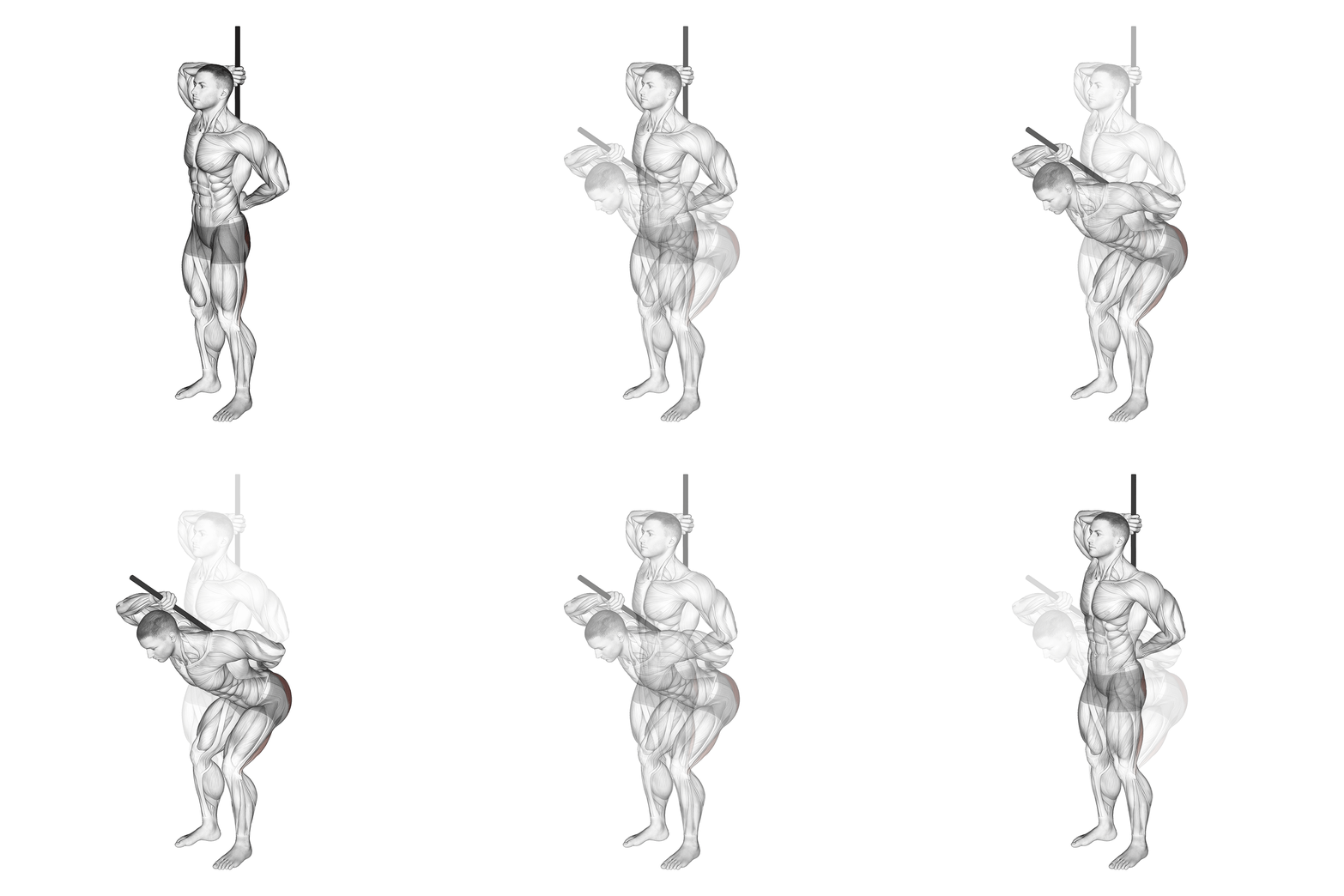
Purpose
Strengthens glutes, hamstrings, and spinal stabilizers. Strength protects the spine.

Purpose

Strengthens glutes, hamstrings, and spinal stabilizers. Strength protects the spine.

How to Do It

  1. Hold dumbbells or barbell at thighs
  2. Soft bend in knees
  3. Push hips back
  4. Keep spine neutral
  5. Drive hips forward to stand

Common Mistakes

  • Rounding lower back
  • Turning it into a squat

Progressions

  • Trap-bar deadlift
  • Barbell Romanian deadlift

Programming

3×6–12 reps, 1–2×/week

3) Glute Bridges — Hip Stability & Back Protection
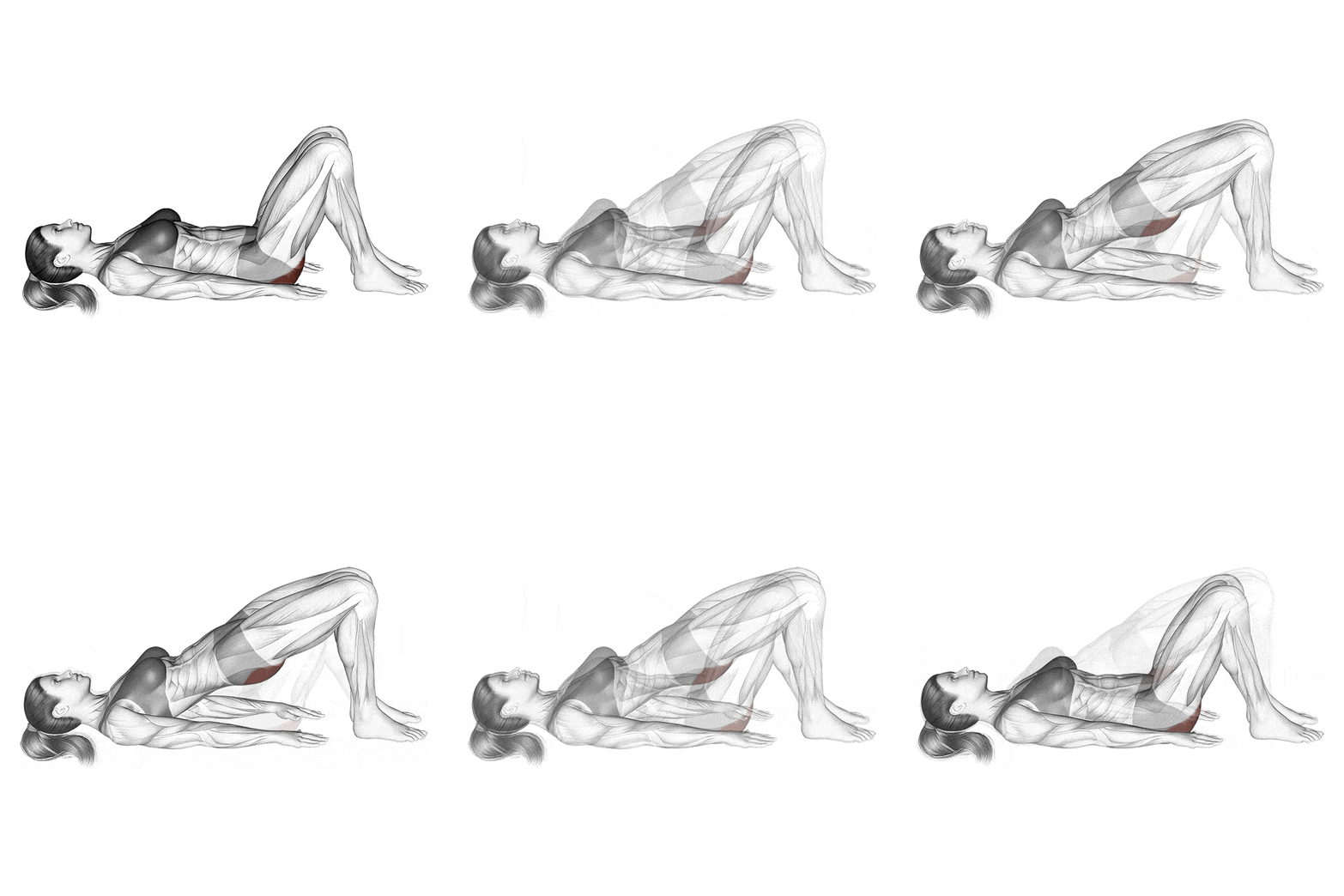
Purpose

Reactivates glutes and reduces lower-back overload.

How to Do It

  1. Lie on back, knees bent
  2. Feet under knees
  3. Drive hips up
  4. Squeeze glutes
  5. Lower slowly

Progressions

  • Resistance band
  • Single-leg bridge
  • Weighted bridge

Programming

3×8–15 reps, 2–3×/week

4) Cat–Cow — Spinal Mobility Reset
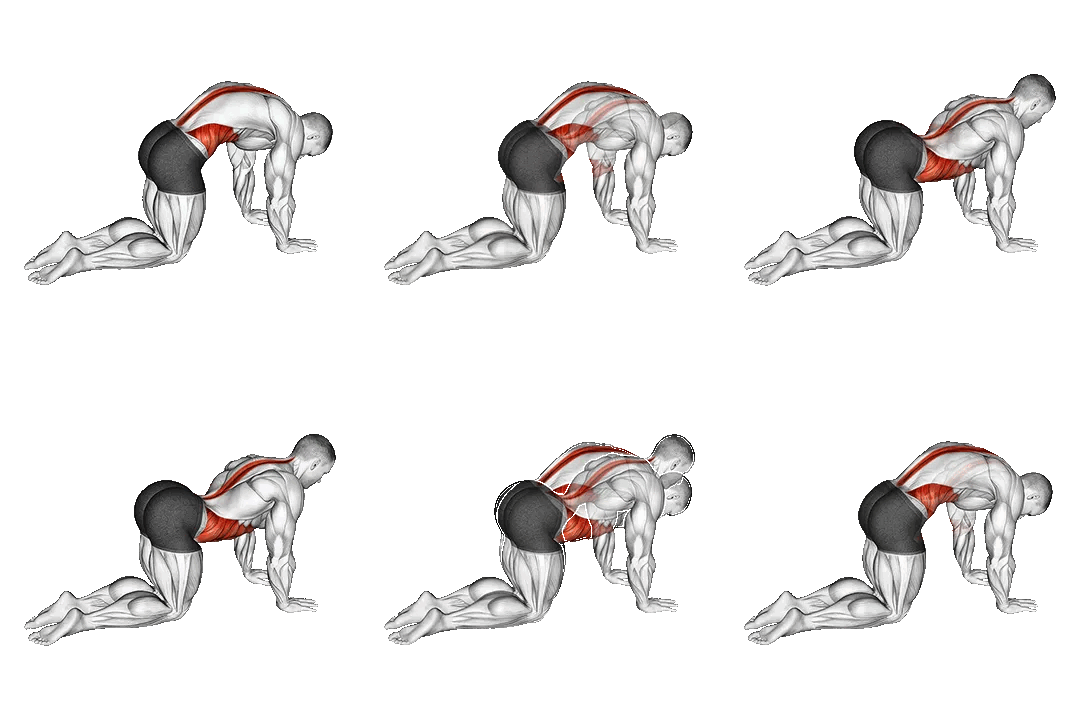
Purpose

Restores spinal flexion/extension and reduces stiffness.

How to Do It

  1. Start on hands and knees
  2. Inhale → Cow (extend spine)
  3. Exhale → Cat (round spine)
  4. Move slowly with breath

Programming

8–12 cycles daily

5) Child’s Pose — Lower Back & Nervous System Relief
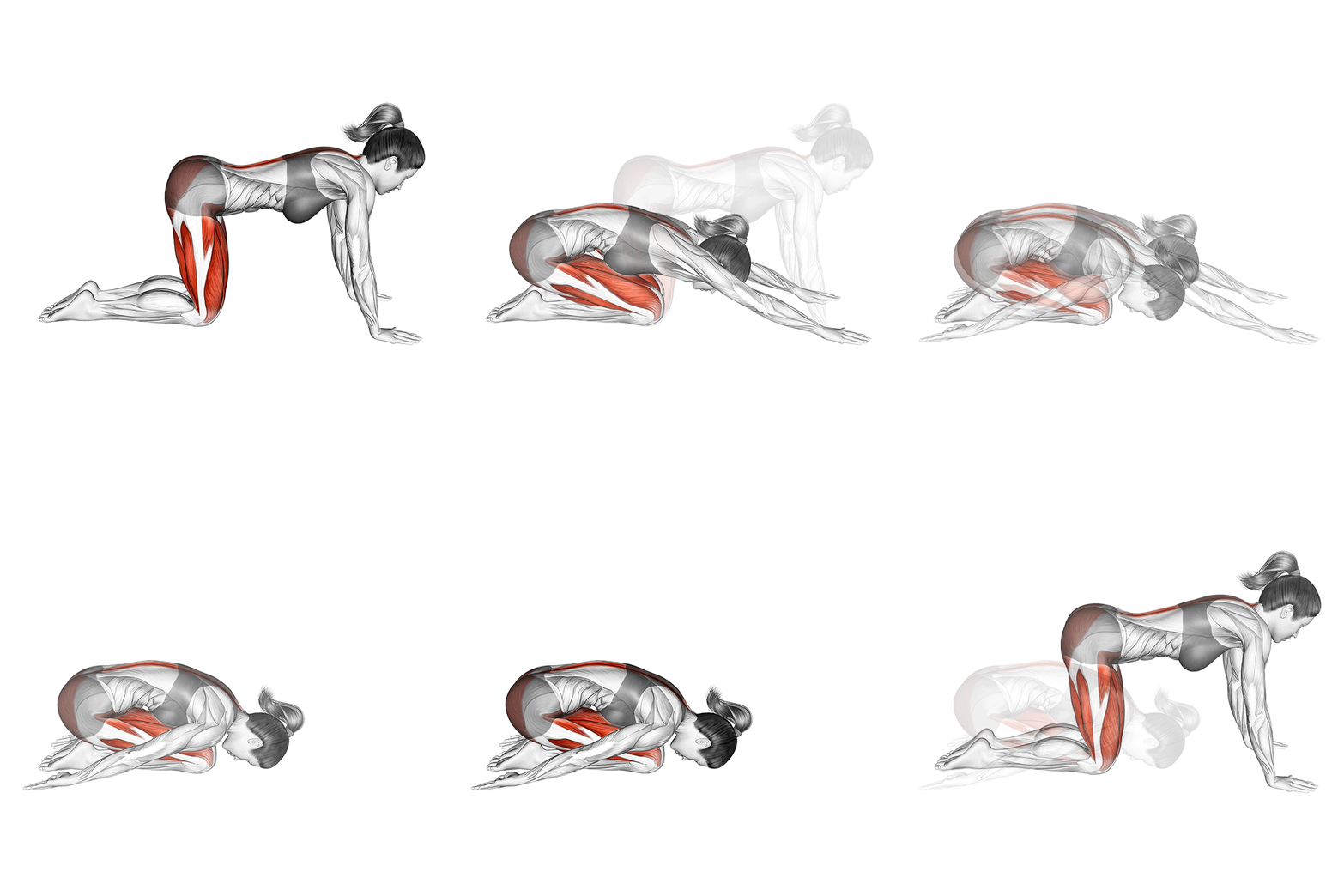
Purpose

Releases tension and calms the nervous system.

How to Do It

  1. Kneel on floor
  2. Sit hips back to heels
  3. Reach arms forward
  4. Breathe deeply

Programming

30–90 sec holds, anytime pain builds

6) Sphinx Pose — Posture Correction Exercise

Purpose

Builds spinal extensor endurance and counters desk posture.

How to Do It

  1. Lie on stomach
  2. Forearms under shoulders
  3. Press pelvis into floor
  4. Lift chest gently
  5. Hold 20–40 sec

Common Mistakes

  • Lifting hips
  • Overarching lower back

Programming

2–3 holds

7) Bird-Dog — Core Stability & Coordination
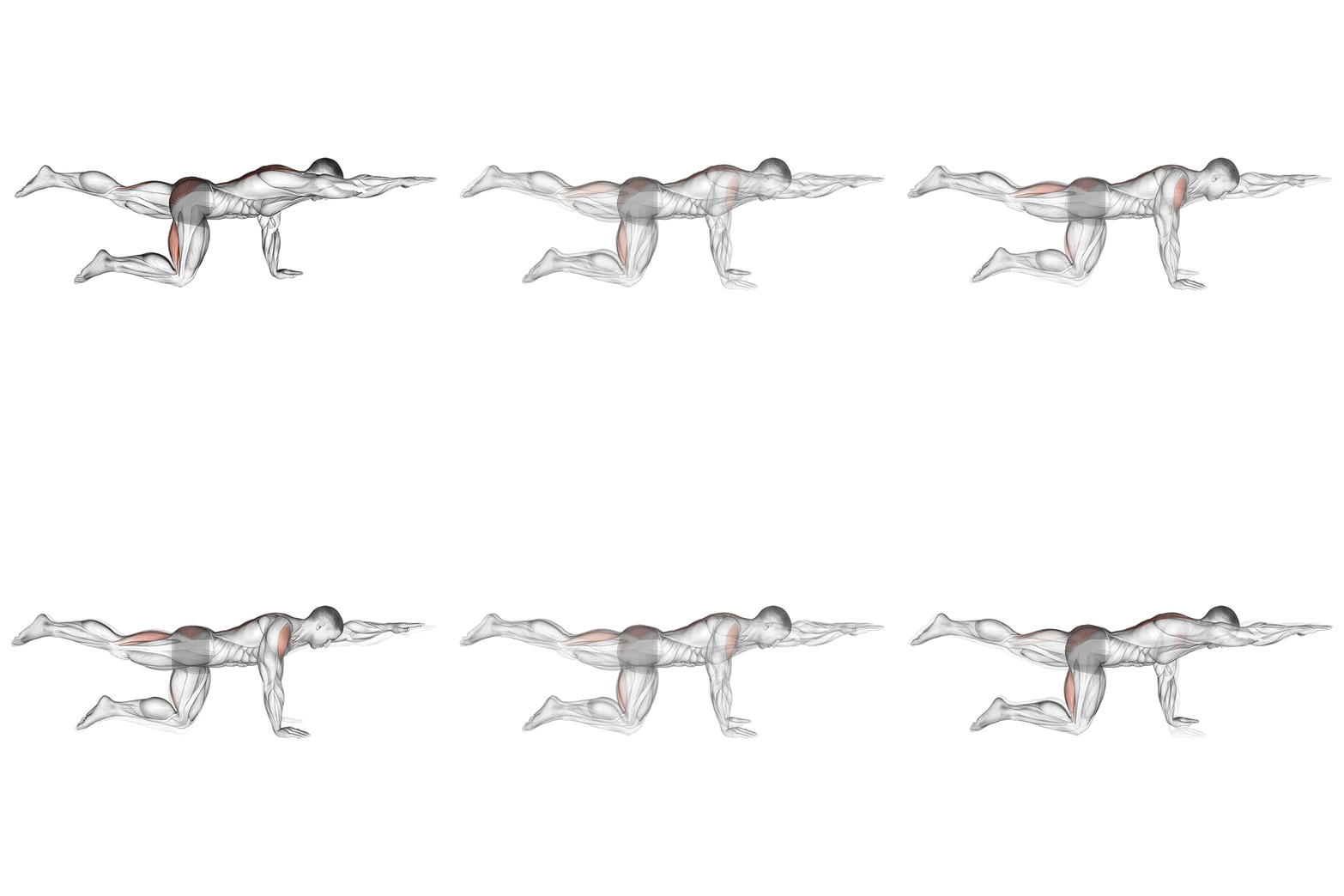
Purpose

Improves spinal stability during movement.

How to Do It

  1. Hands and knees
  2. Extend opposite arm & leg
  3. Hold 2–3 seconds
  4. Switch sides

Programming

2–3×8–12 per side

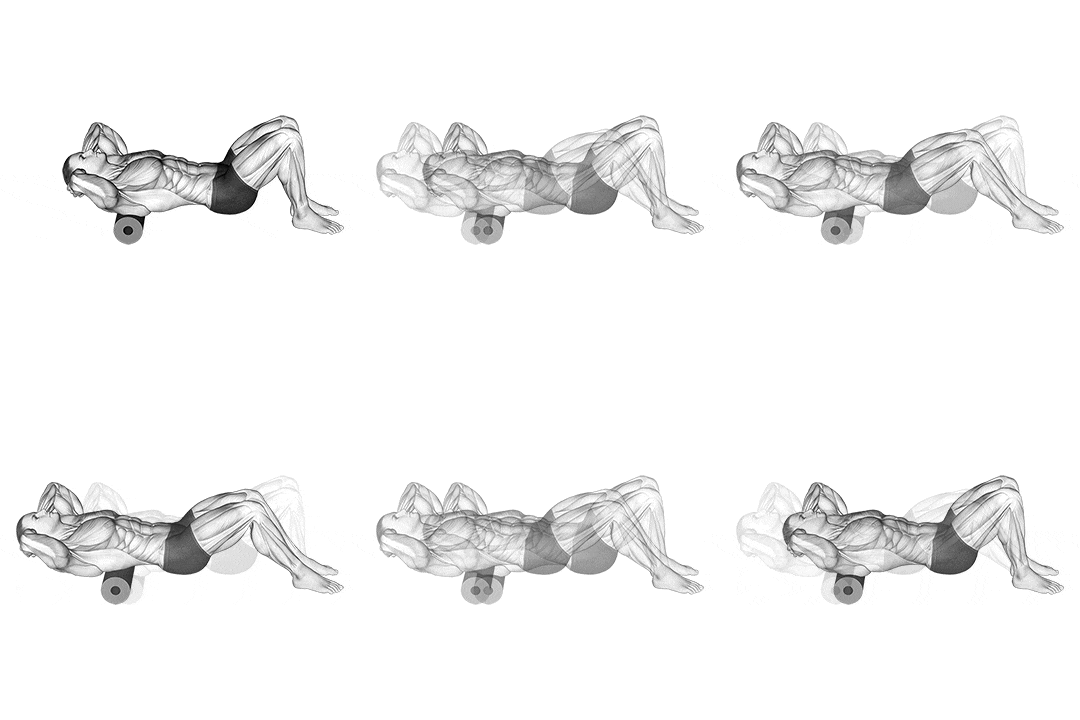
8) Thoracic Rotations / Foam Roller Openers
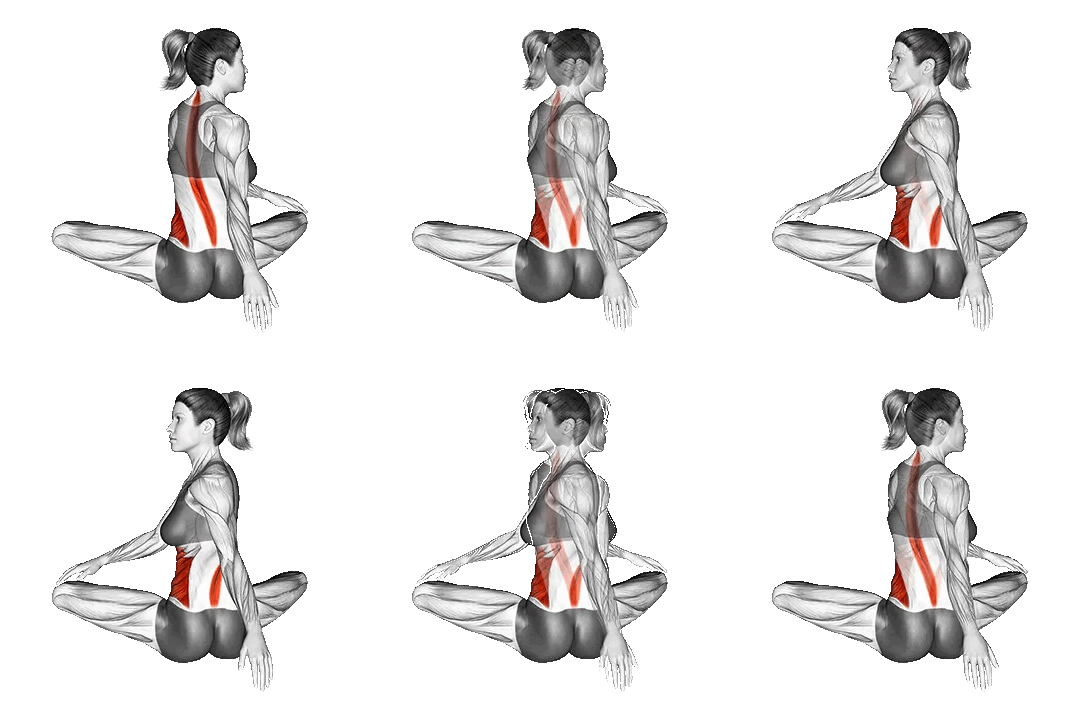
Purpose

Restores upper-back mobility and reduces neck strain.

How to Do It

  • Seated rotations: 10 each side
  • Foam roller extensions: 60–90 sec

Programming

Daily or pre-workout

9) Side Plank / Clamshell — Lateral Hip Strength
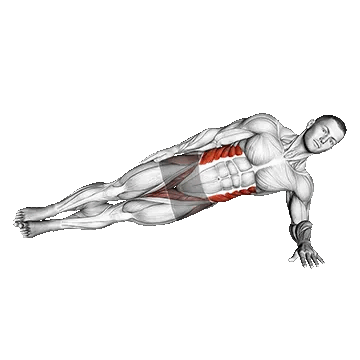
Purpose

Stabilizes pelvis and prevents low-back compensation.

How to Do Side Plank

  1. Lie on side
  2. Elbow under shoulder
  3. Lift hips into straight line
  4. Hold

Programming

3–5 sets, 15–45 sec

10) Hip Flexor / Couch Stretch — Pelvic Alignment
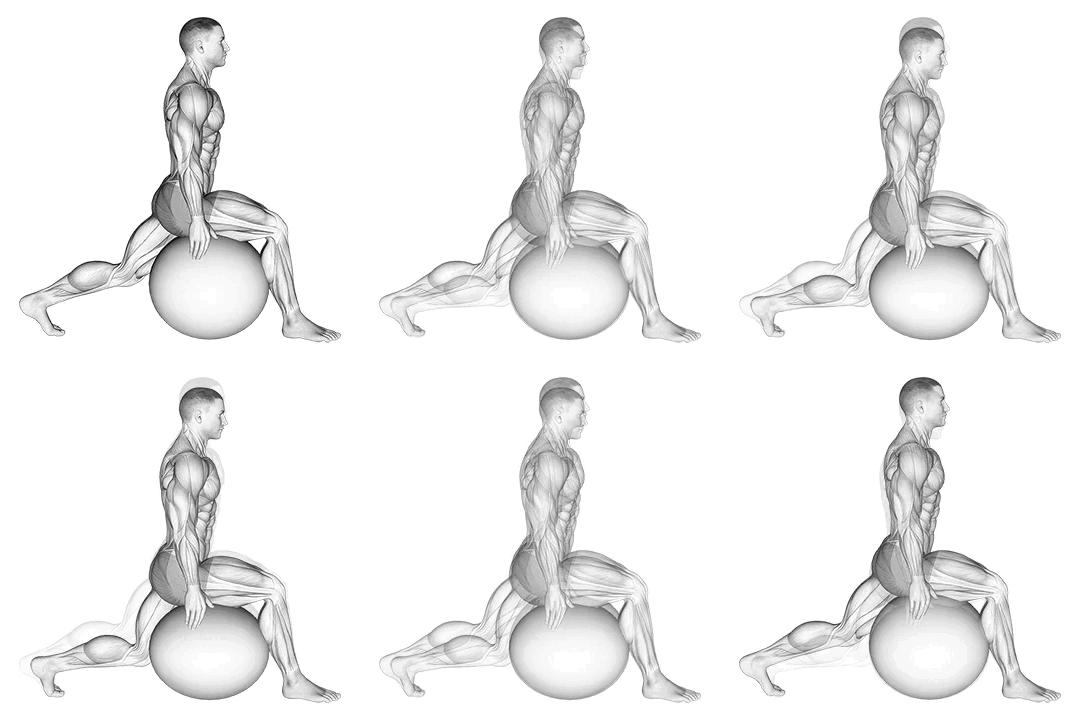
Purpose

Lengthens tight hip flexors caused by sitting.

How to Do It

  1. Kneel with back knee elevated
  2. Front foot forward
  3. Squeeze glutes
  4. Keep torso upright

Programming

30–60 sec per side daily

11) Farmer Carry — Real-World Core Strength
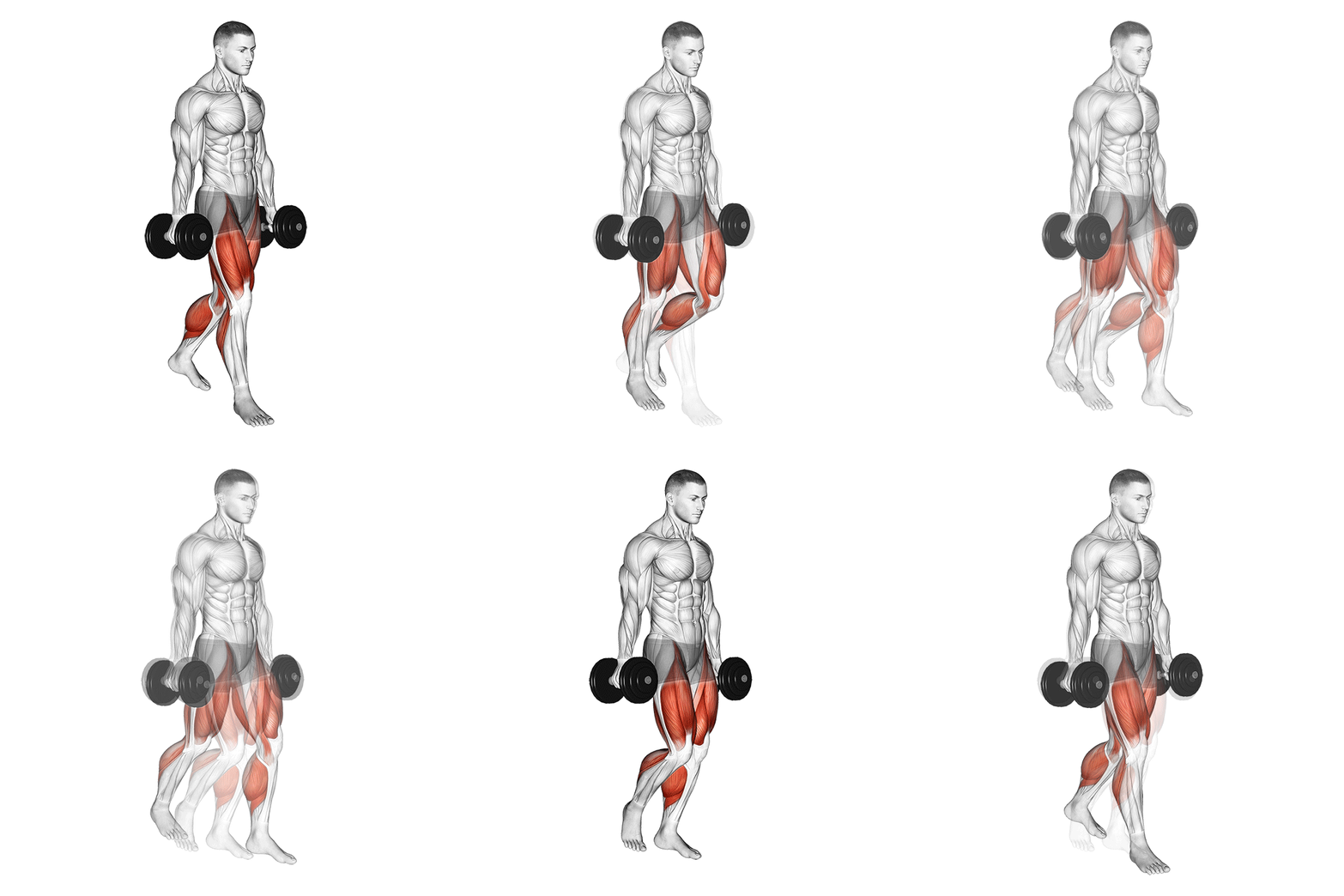
Purpose

Builds posture, grip, and spinal resilience.

How to Do It

  1. Hold dumbbells at sides
  2. Stand tall
  3. Walk slowly
  4. Brace core

Programming

20–40 m × 2–3 sets

Follow THIS

Simple Program for Maximum Adherence

This program is designed for busy desk workers who want relief from back pain, improved posture, and better daily energy without going to the gym or spending hours exercising.
The entire routine takes 15 minutes, requires minimal equipment, and can be done at home or at the office.
Consistency matters more than intensity. This routine works because it addresses the core causes of desk-related back pain: spinal stiffness, weak glutes, poor core control, and prolonged sitting.

Weekly Structure (Beginner-Friendly)

Mobility (Cat–Cow): Daily or whenever stiffness appears
Strength Routine: 3 days per week (alternate days)
Walking: 20–30 minutes on non-training days for circulation
This structure supports recovery while steadily improving strength and posture.

Who This Routine Is Best For

This program is ideal if you:
Sit for long hours at a desk or computer
Experience lower back, neck, or shoulder stiffness
Want a home-based back pain solution
Prefer short, practical workouts
Are returning to exercise after a break

Progression (After 3–4 Weeks)

Once the routine feels comfortable:
Increase dead hang time to 45–60 seconds
Add resistance bands or light weights to glute bridges
Increase Bird-Dog hold time to 5 seconds
Add a second round if time allows
Small progressions = long-term results.

Struggling with desk-related back pain or poor posture?

We help desk workers fix pain, improve posture, and regain energy through personalized online coaching — without gym dependency or extreme workouts.

Stay Connected with Us

Let’s FIT Together

Connect with us to explore how we can make your vision a reality.

99-47-26-1824

Frequently Asked Questions (Desk Workers Back Pain & Posture)

Leave a Comment

Your email address will not be published. Required fields are marked *

Scroll to Top